This project was developed as part of a Level Design course at the SKVOT online school. My goal was to absorb as much knowledge as possible from the course instructor, Anna Oporsky Sybisz. During the blockout phase, I chose to focus on three key aspects of level design: guiding the player, environmental storytelling, and pacing, as I believe I could improve those.
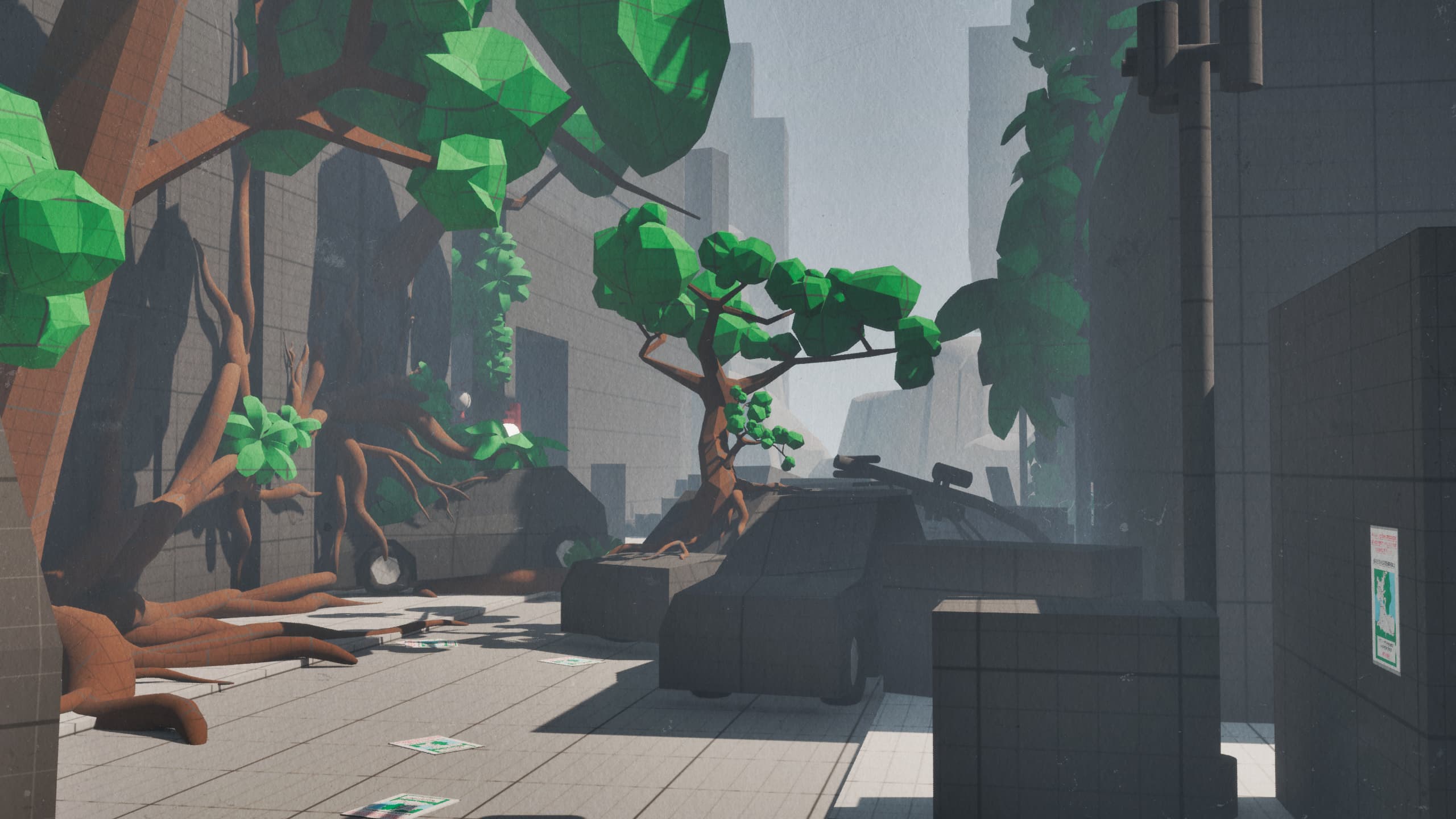
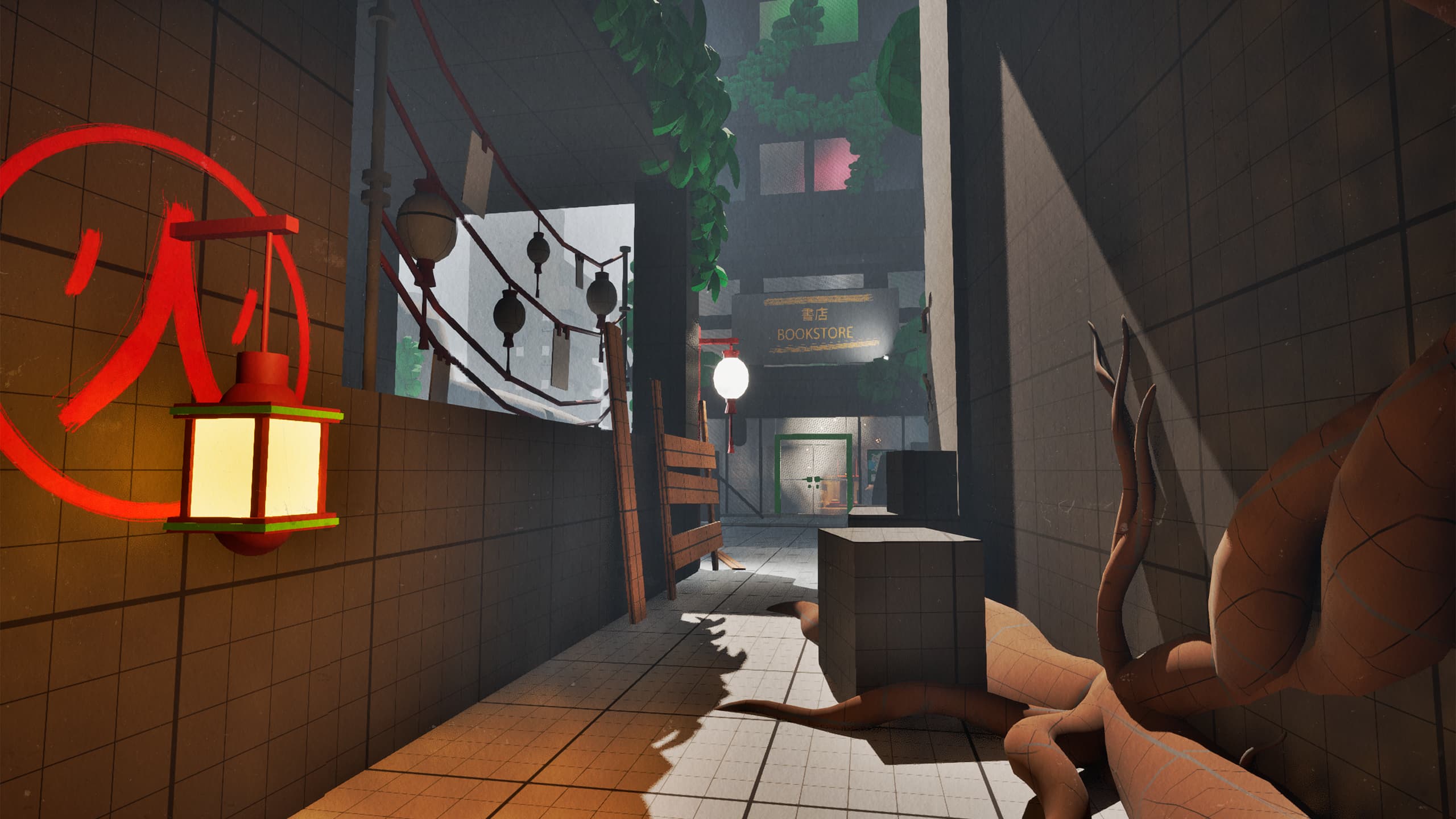
At the beginning of the course, I received a high-level pitch: to design a level for a third-person, linear, story-driven survival horror game set in post-apocalyptic Japan. The downfall of civilization was caused by the sudden appearance of creatures and monsters from Japanese myths and legends. The specific time period was up to me.
The gameplay was to be centered around exploration and puzzles, with occasional stealth elements. My level was intended to appear early in the game, roughly after the first hour of gameplay and had to meet a number of specific requirements:
- Feature at least one puzzle
- Introduce a new enemy type
- Include a first encounter with that enemy
- Combine exterior and interior environments
- Allow the player to find items that unlock new paths
- Let the player collect at least one first aid kit
- Include either an NPC encounter or a lore item that conveys the same information
- Provide a location for a planned cutscene
- Length of the level 10-15 minutes

For this project, I relied on several tools that are staples in my workflow: Unreal Engine, Miro, Photoshop, and PureRef. However, I also took this opportunity to experiment with using AI to support both the visual and narrative aspects of the level.
While I had previously used AI image generators casually, this time I approached them as a practical production tool. I used AI to generate visual references for environments I didn't have concept art for, which helped me quickly define the mood and style of key areas. Additionally, I used ElevenLabs to prototype voiceovers for narrative moments and cutscenes, allowing me to test pacing and emotional tone.

As usual, I began with research. I decided to set the game in the 1990s in a smaller Japanese city. I spent several hours walking through the streets of Tsuyama, Ōita, and Matsue via Google Street View. I focused on gathering visual references of streets, backyards, waterfronts, and residential areas with a particular deep dive into Japanese hospitals, as I planned to feature one as a major interior space.
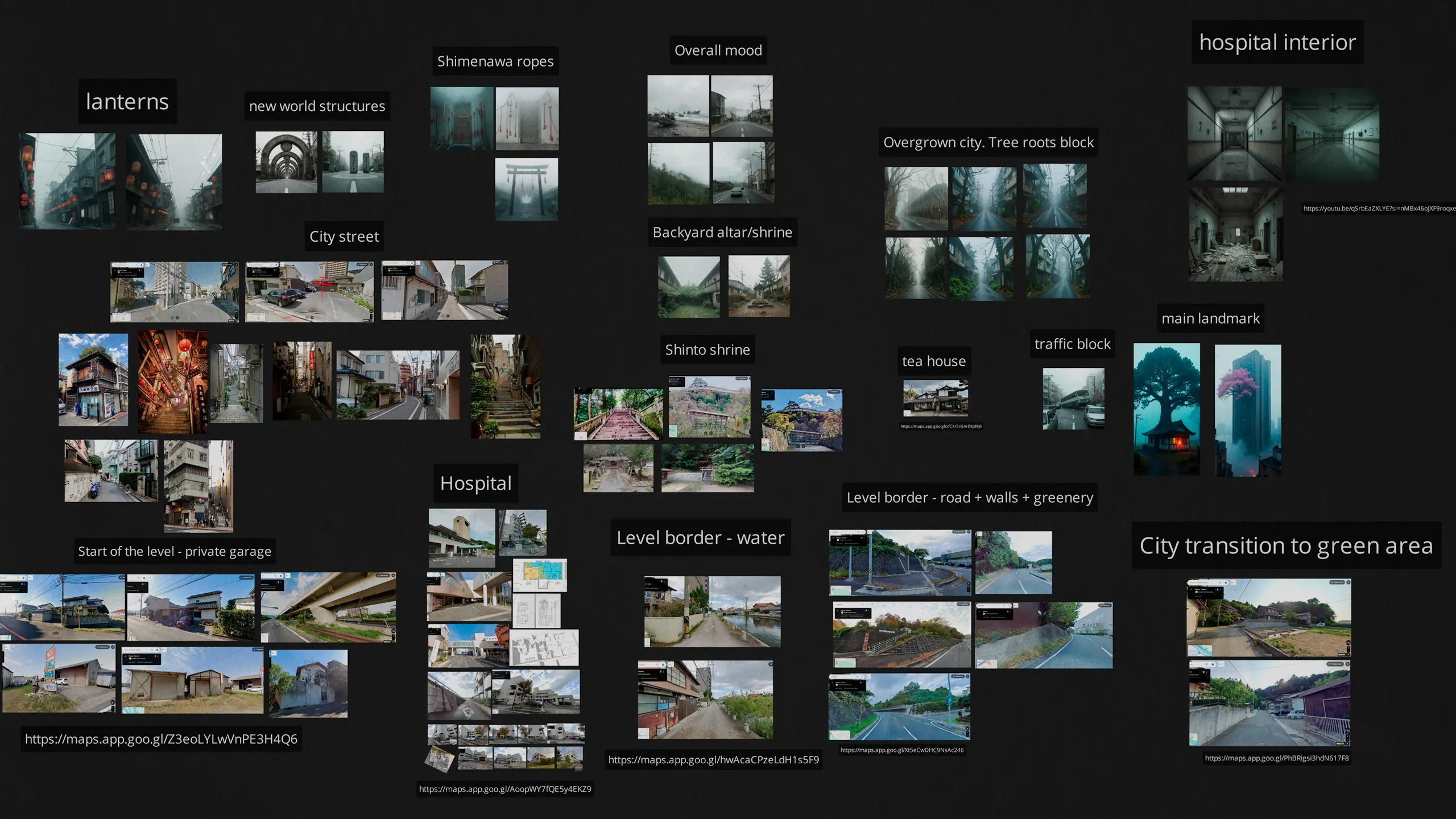
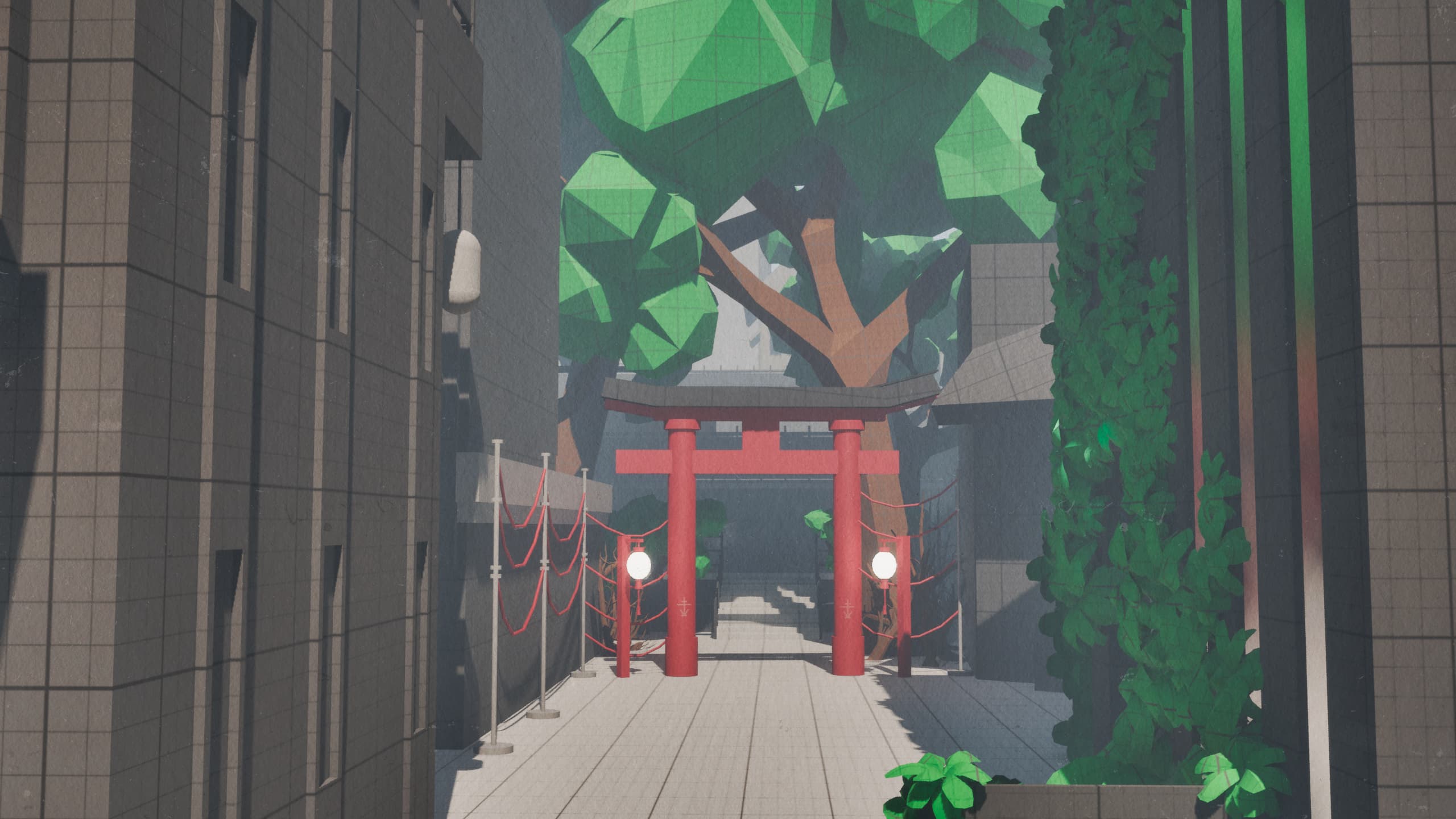
I chose a "green-apocalypse" aesthetic to contrast the horror of the world's collapse with the beauty of nature reclaiming it. To support this direction, I explored green zones across Japan to see how I could authentically incorporate them into the environments I was designing.
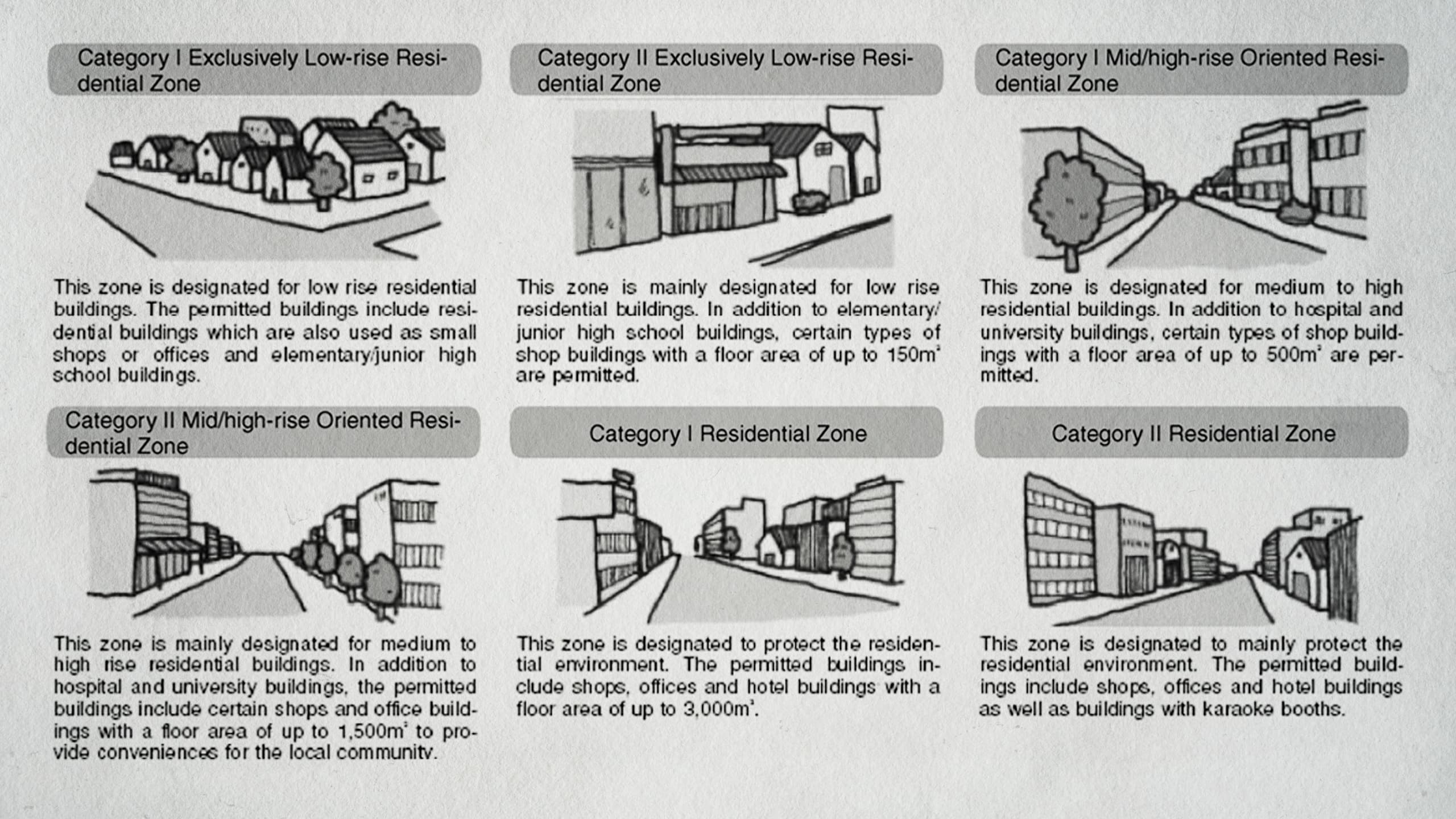
To make the world feel grounded, I studied Japanese city planning to better understand real-world metrics and spatial logic. Where possible, I used this knowledge to shape urban layouts without compromising gameplay.
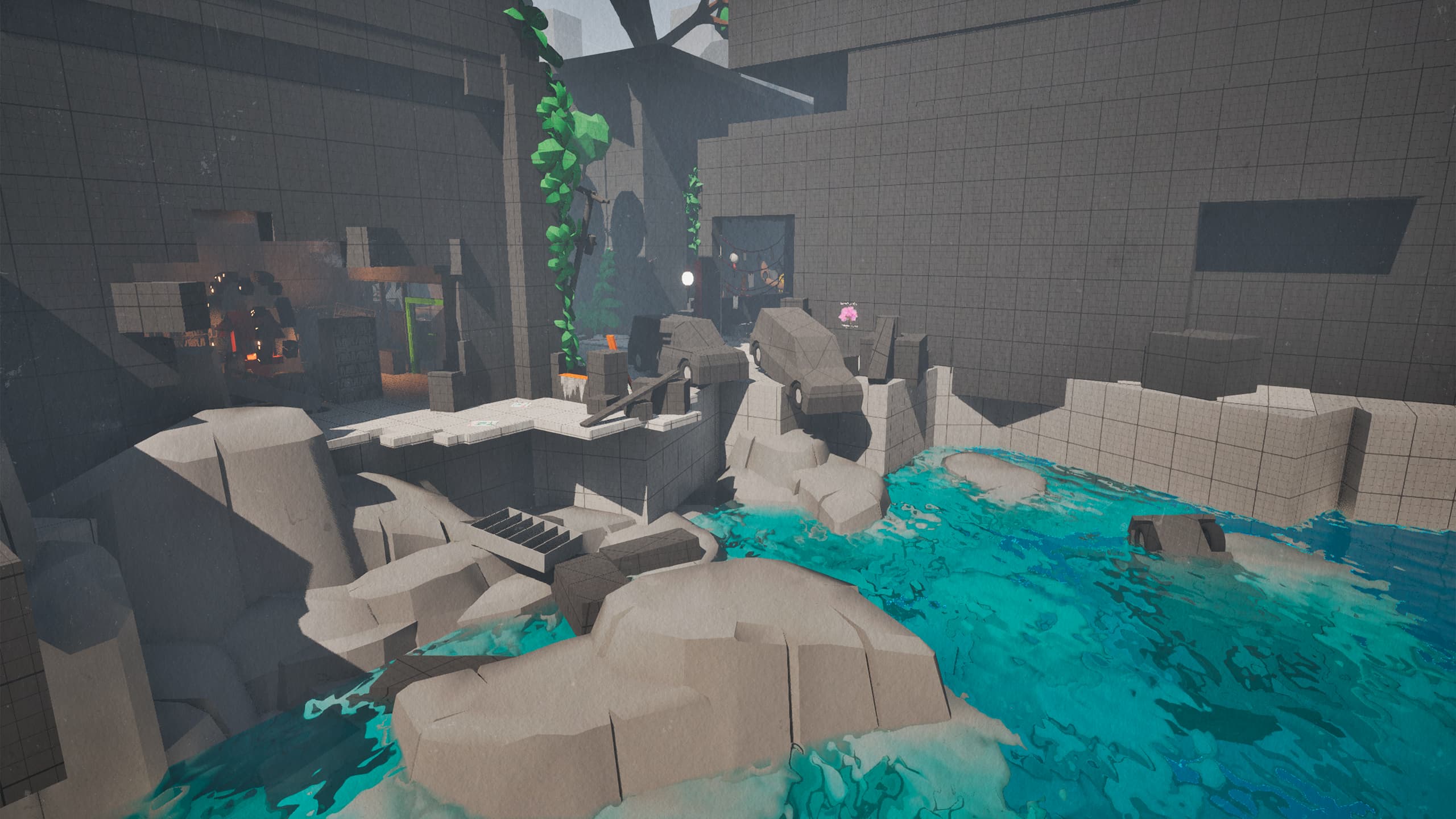
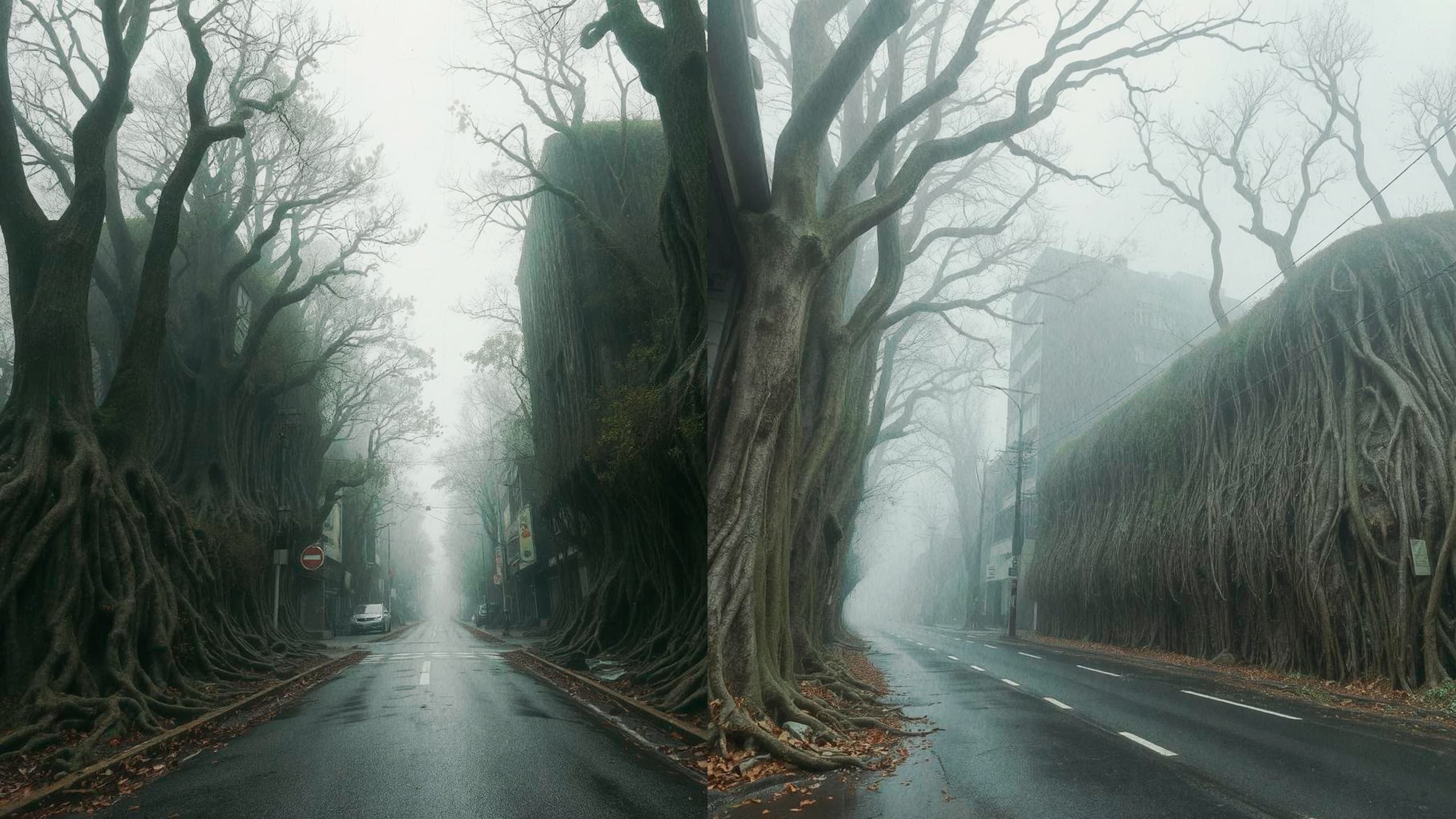
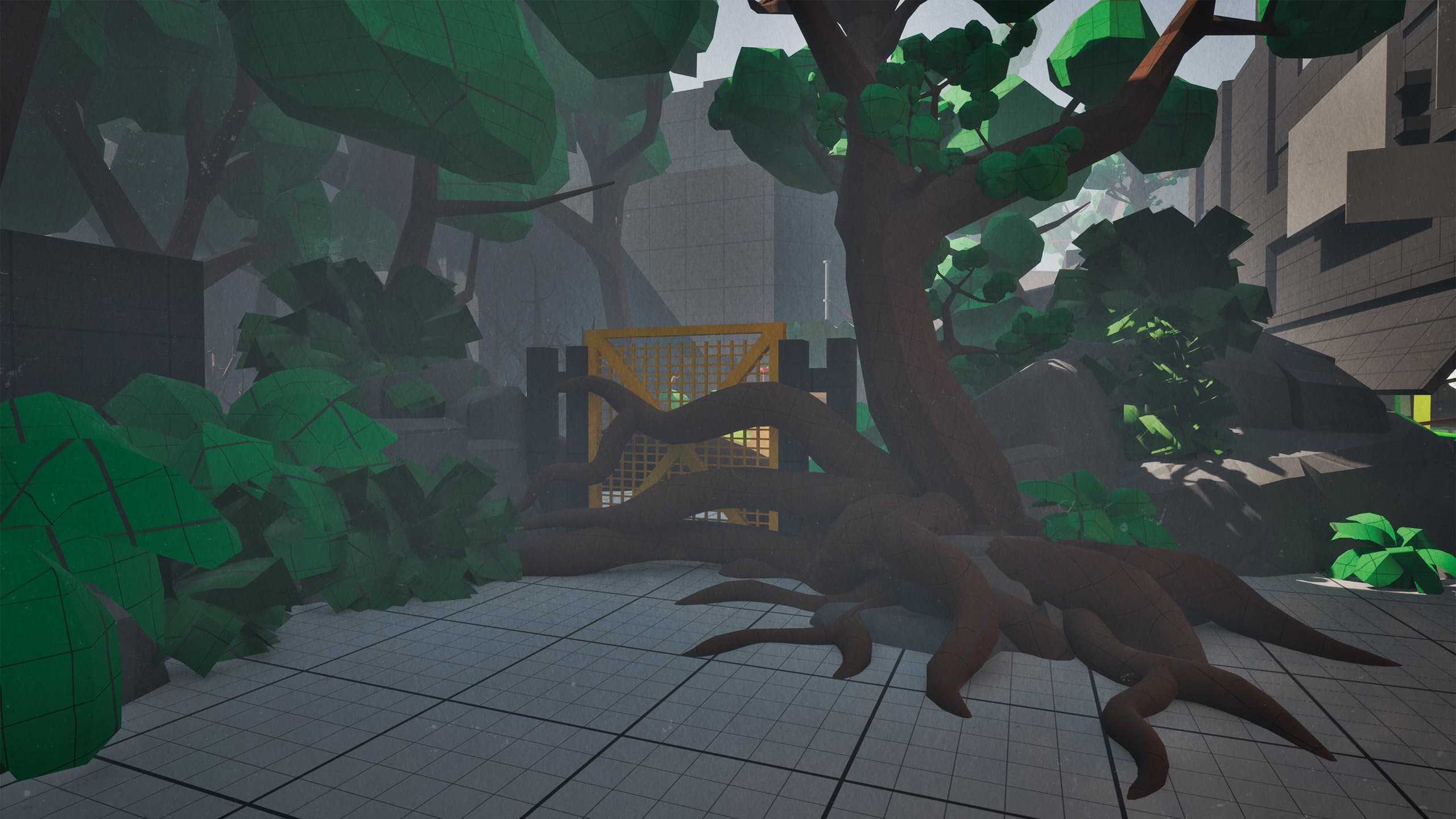
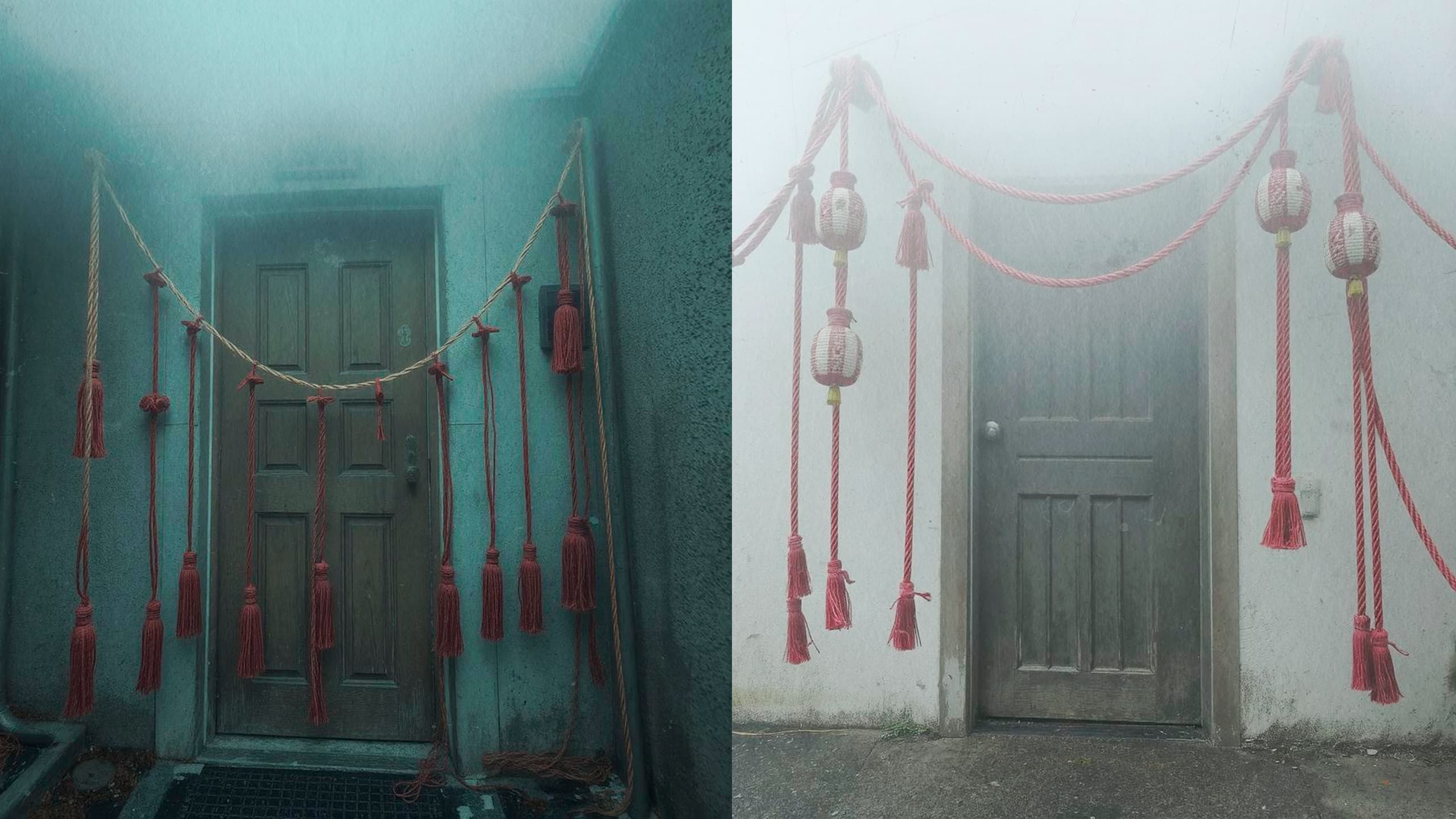
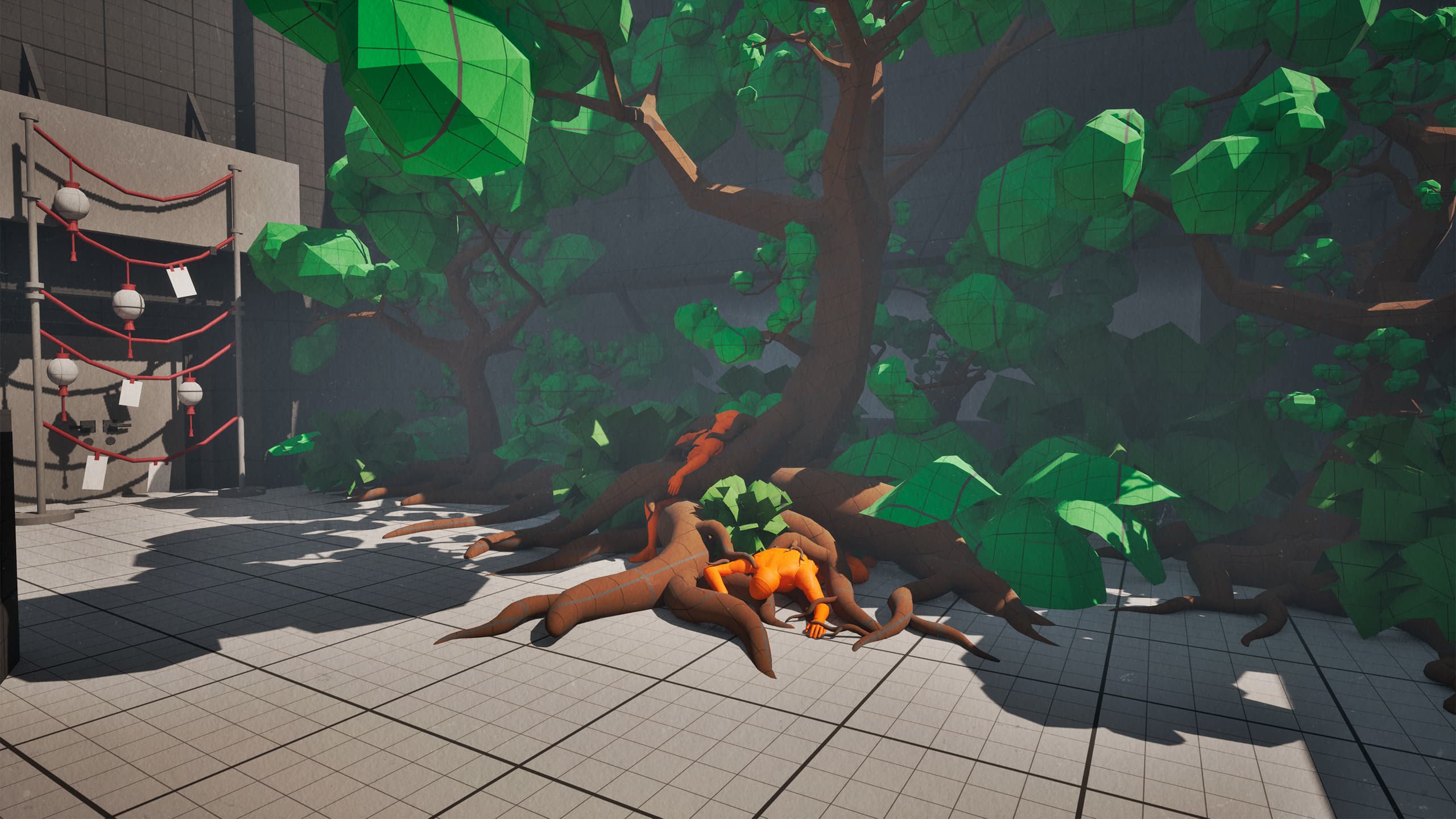
From the beginning, I knew I needed to find natural ways to contain the playable area and prevent the player from wandering too far or simply placing invisible walls. Alongside typical urban boundaries like fences, walls, and traffic barriers, I wanted something more unique to the Japanese setting, something that also reflected the apocalyptic theme. I ultimately chose to use overgrown trees, deep ground fractures, and shimenawa ropes, traditional markers of sacred or ritually pure spaces that symbolically ward off evil spirits.


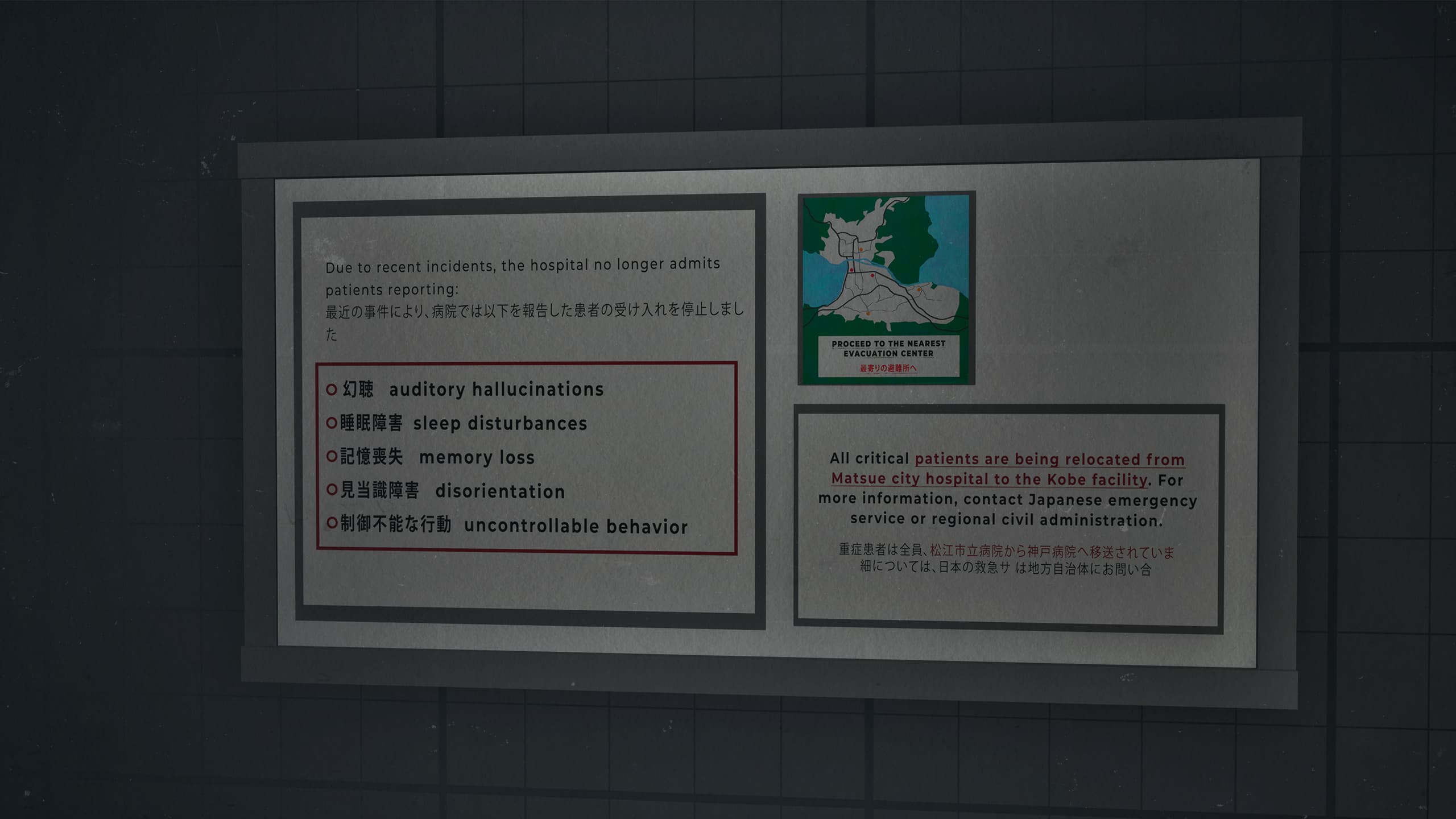
Japan, 1990s. Incomprehensible, intrusive, impossible to ignore whispers begin to haunt the minds of a few. These people, later called The Heard, fall into trance-like states and act without memory of their actions, as if guided by an invisible force. Fear spreads, but no one can explain the cause.
Weeks later, one night, a comet blazes across the sky and the veil separating the human world from the spirit realm collapses. By sunrise, half of the population is gone, spirits flood the earth, familiar landscapes warp and reality becomes unstable. The world is reborn as something between dream and nightmare.
The whisper was not random. It came from a forgotten god, reaching into the minds of the sensitive. Through them, rituals were unknowingly performed that tore the veil apart. Now, The Heard serve this higher power and are bound to a purpose no one yet understands.
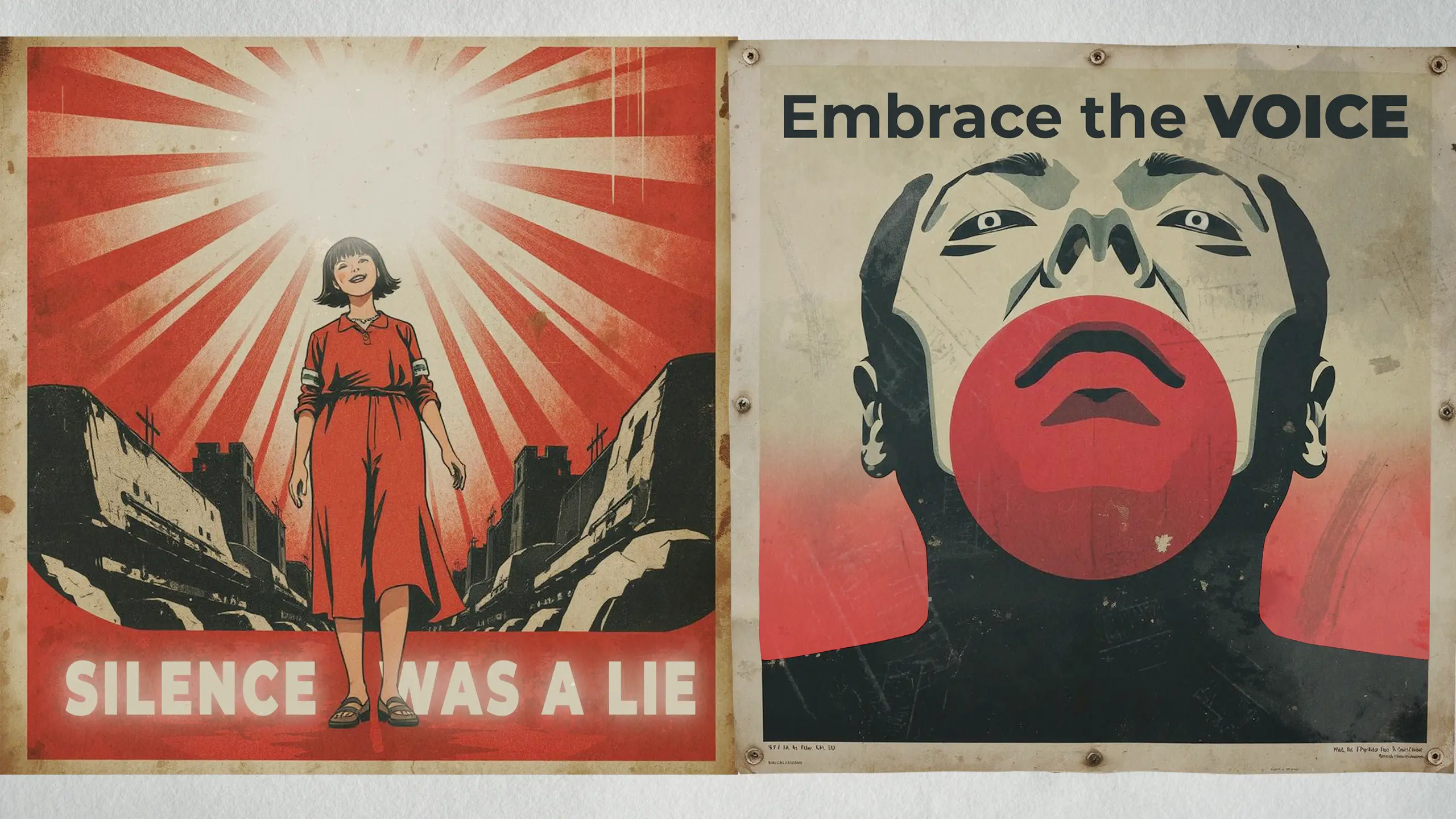
Daniel Walker, a British doctor and man of reason, lives in Japan with his wife Amanda and their daughter Jessica. Amanda is among The Heard, but Daniel believes she's suffering from a psychological disorder. The night of the comet, she flees with their daughter. Daniel chases and is hit by a car, losing his consciousness.
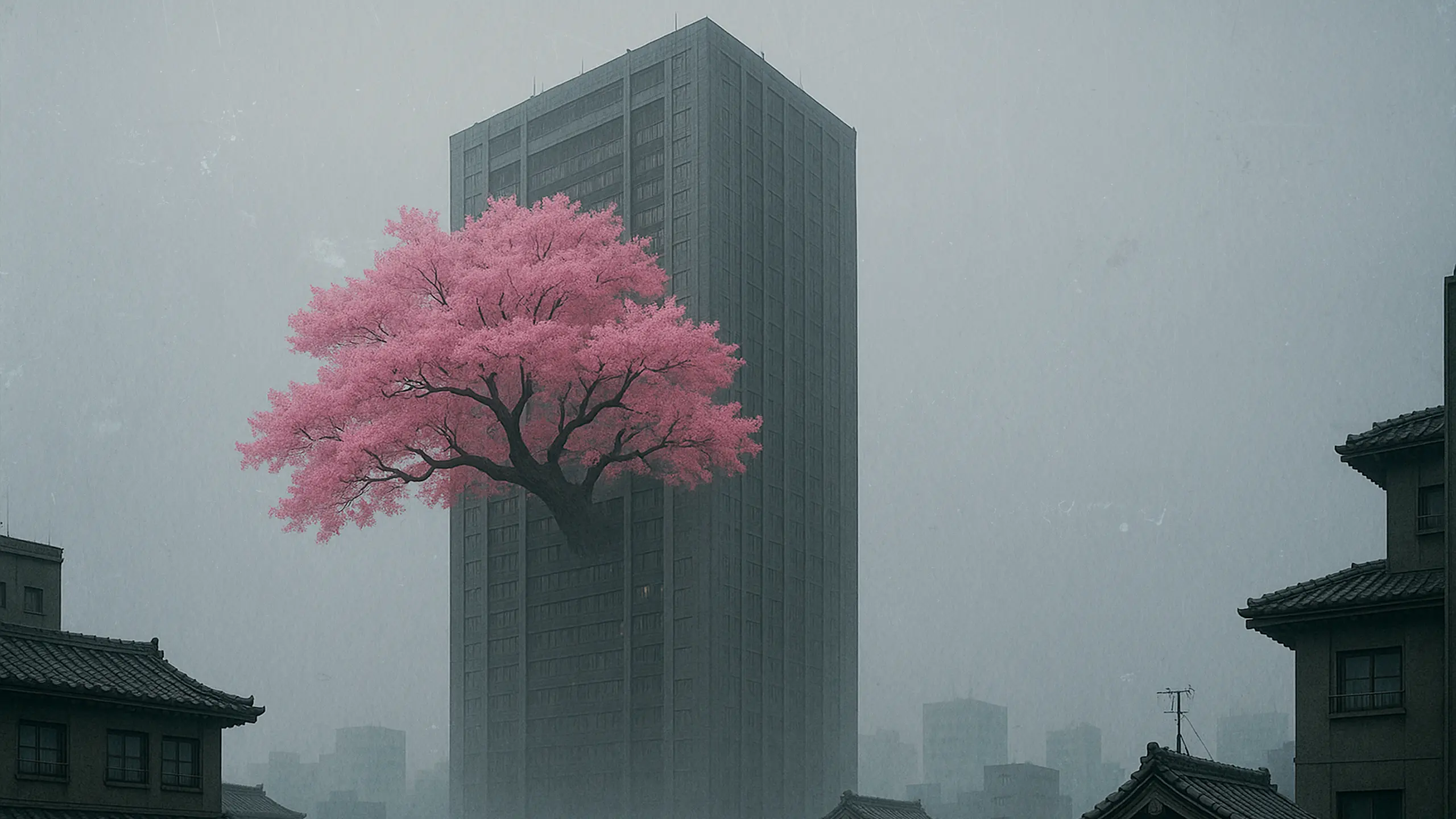
He wakes up in a broken world. His family is gone. To find them, Daniel must face both spirits and the past, navigating a reality that defies logic. His only lead is a repeating radio broadcast about a shelter hidden in a skyscraper pierced by a blooming sakura tree.
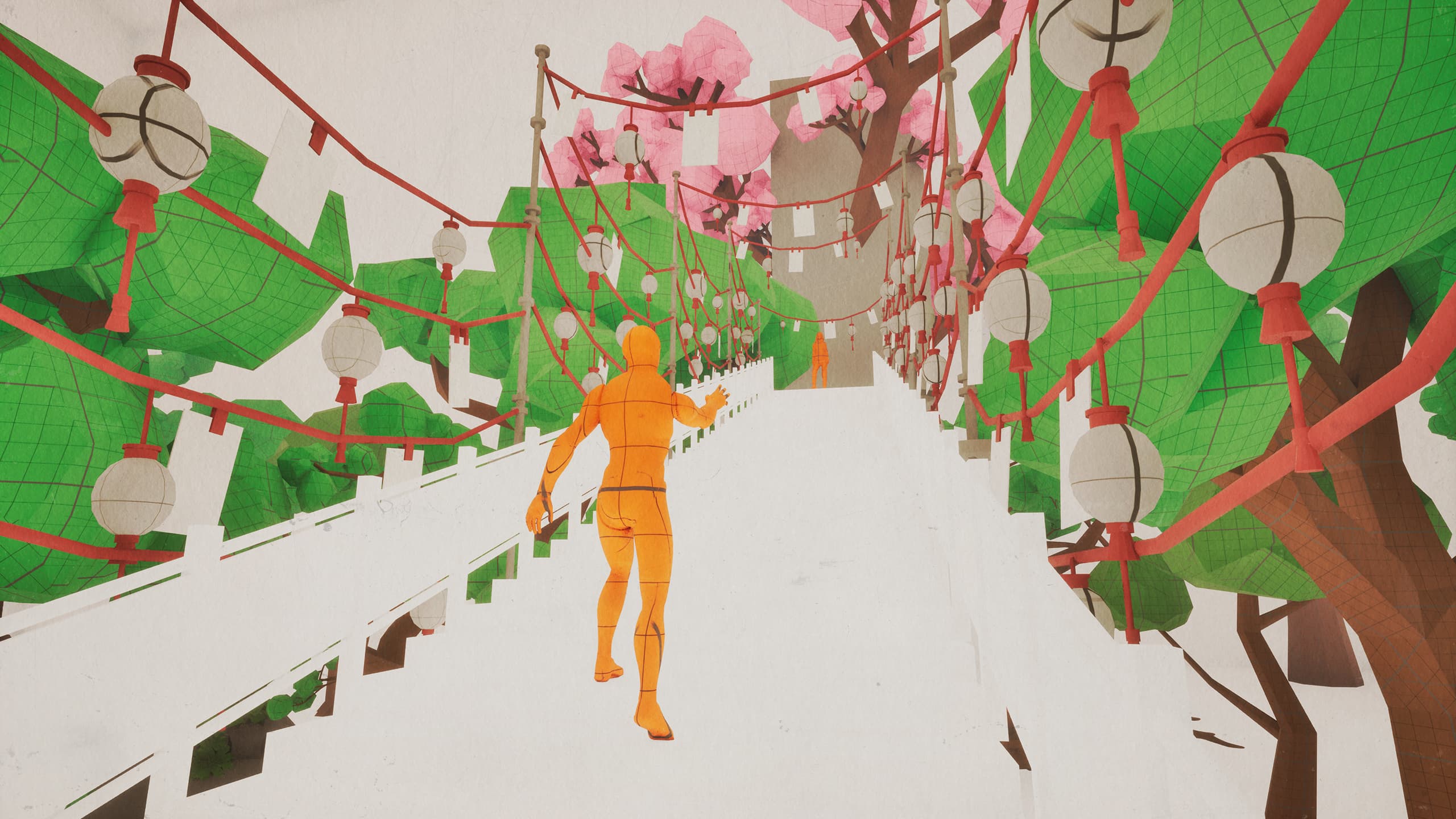
Logic vs. belief. Daniel's path forces him to question everything he knows. In the end, he must act not on certainty, but on faith — making the ultimate sacrifice based on what he feels, not what he knows.

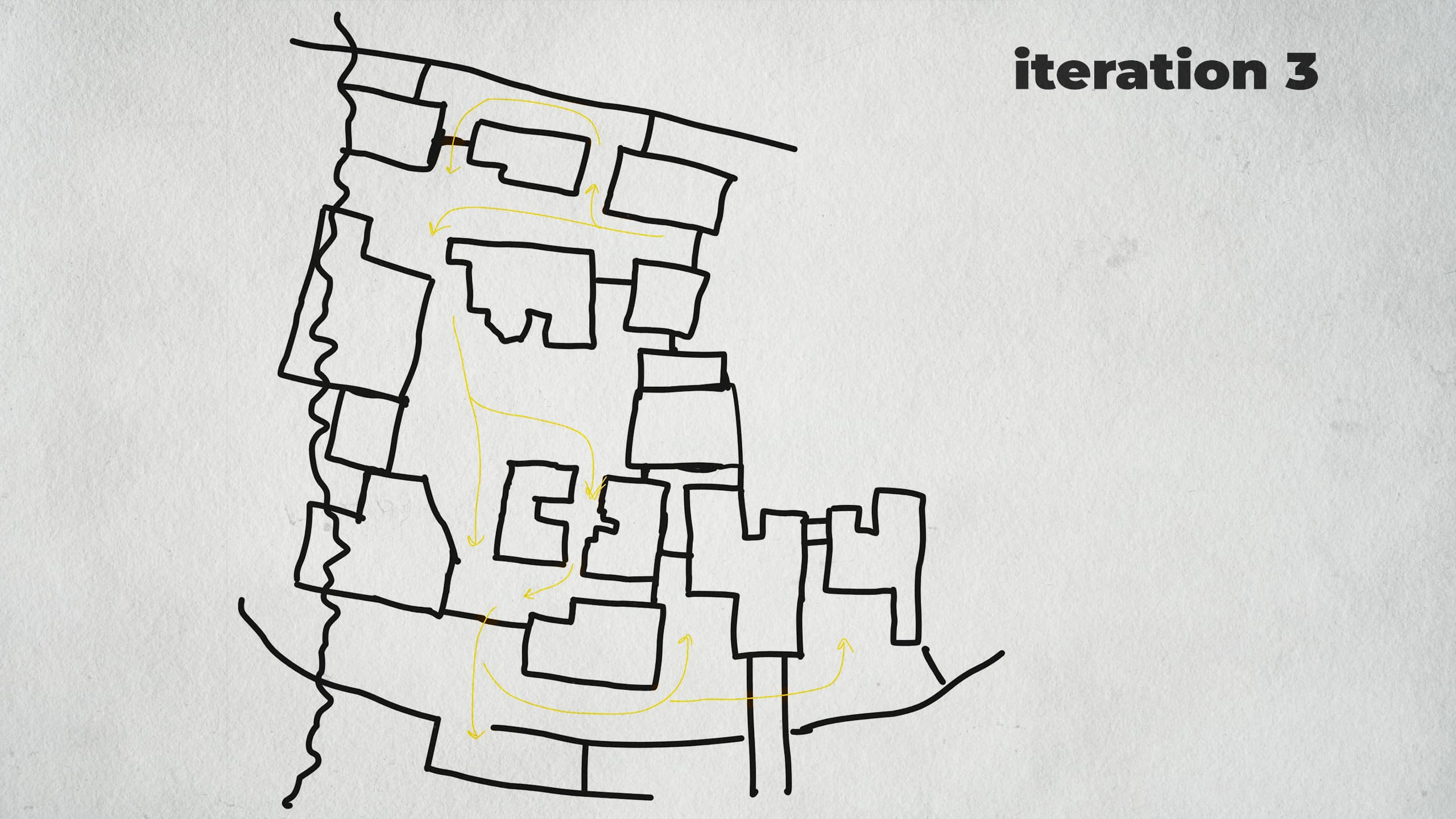
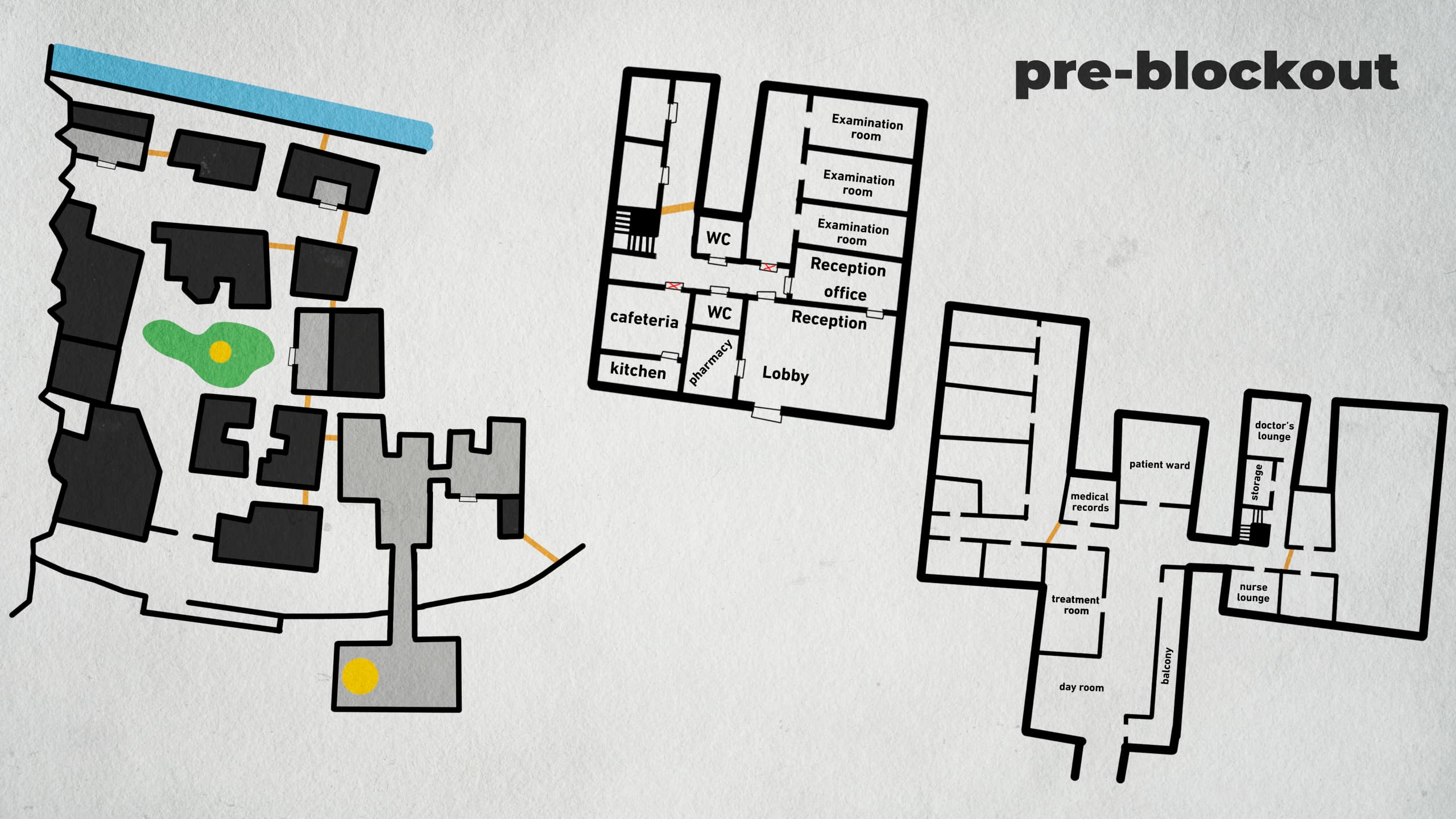
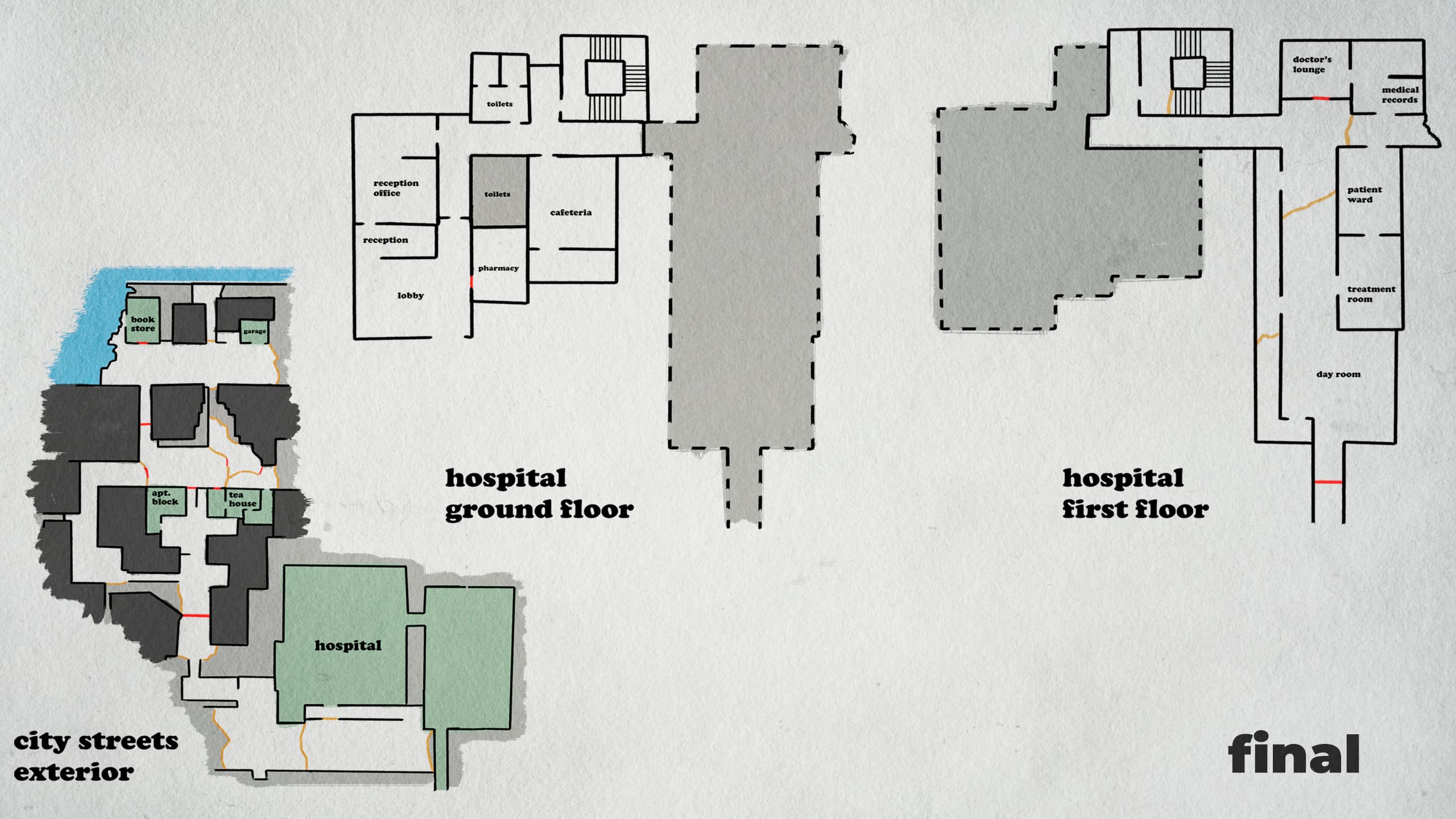
For this project, I kept all documentation organized on a Miro board. I created a 2D level map using Miro’s built-in tools, and later refined it in Photoshop to produce a cleaner and more polished version for the final iteration — just before moving into the blockout phase. To evaluate the pacing and emotional rhythm of the level, I also created a flowchart and a tension graph. These helped me analyze whether the layout supported a satisfying progression of challenge, exploration, and narrative beats.
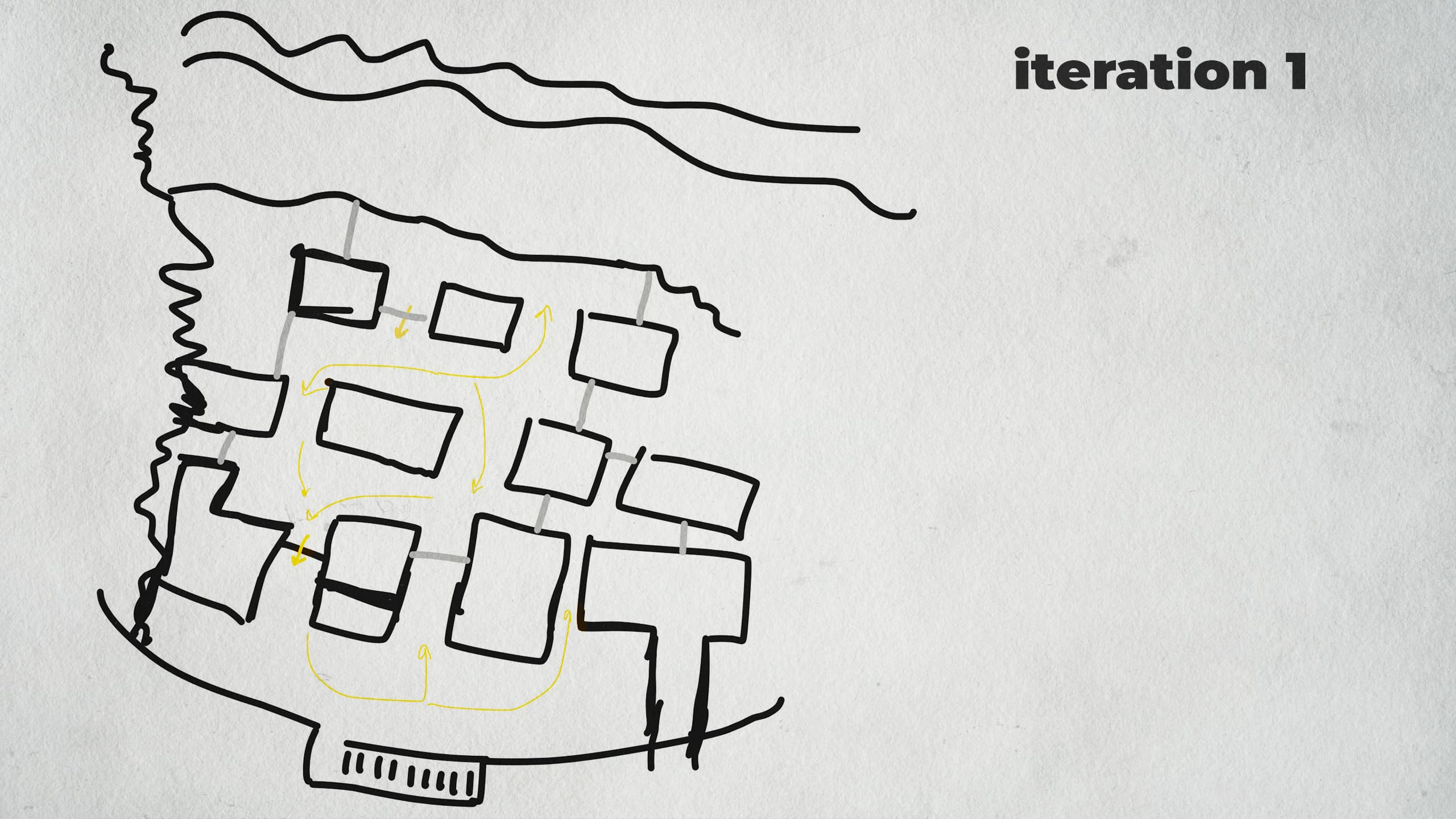
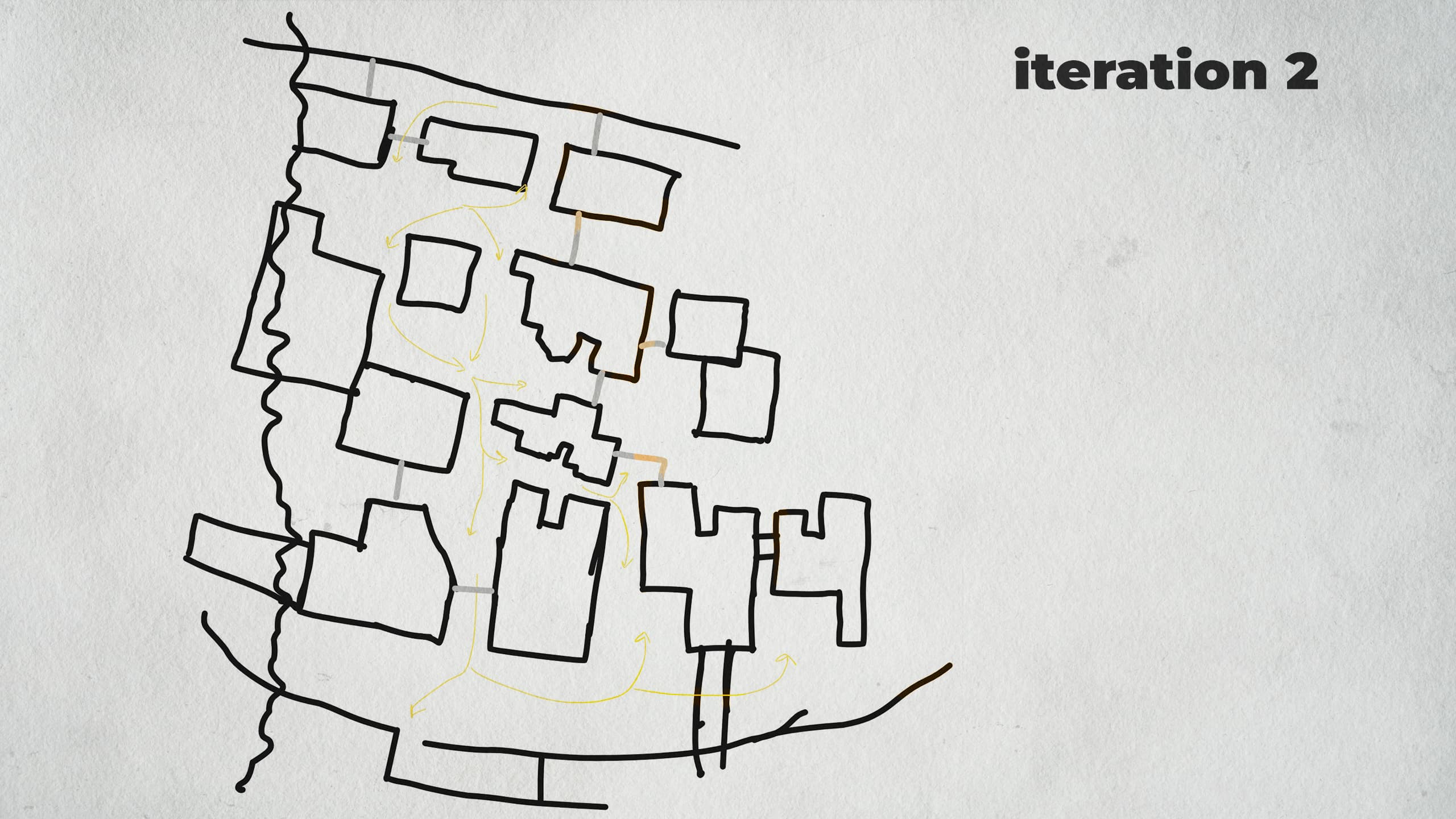

For this level, I created several Blueprints including doors, pushables, collectibles, and checkpoints, but the core mechanics centered around the puzzle and enemy systems. To test and debug them efficiently, I quickly set up a dedicated GYM level.
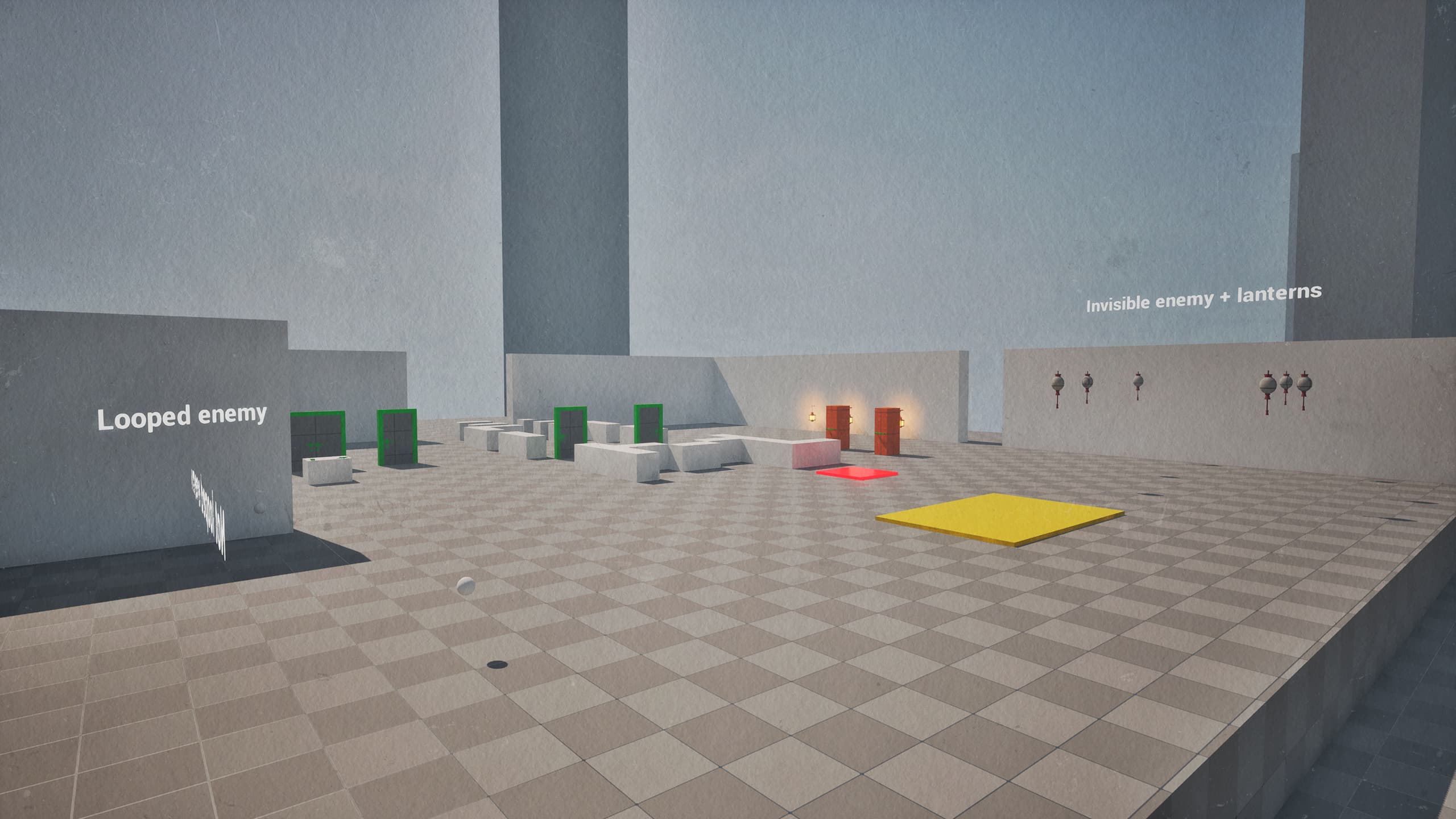
The main puzzle was built around a simple idea: revealing and hiding parts of the environment through player interaction. In the game's lore, players must bring or remove light from special lamps to alter the surrounding space. To add variety and enable more complex puzzle setups, I introduced pickable light sources that don't affect the environment directly, but can be used to ignite other lamps.

The enemy was designed around a core gameplay pillar: the player cannot fight back and must rely on stealth. I created an enemy that follows a patrol path, simulating a search of the area. Players must avoid detection by hiding behind cover or retreating into safe zones.
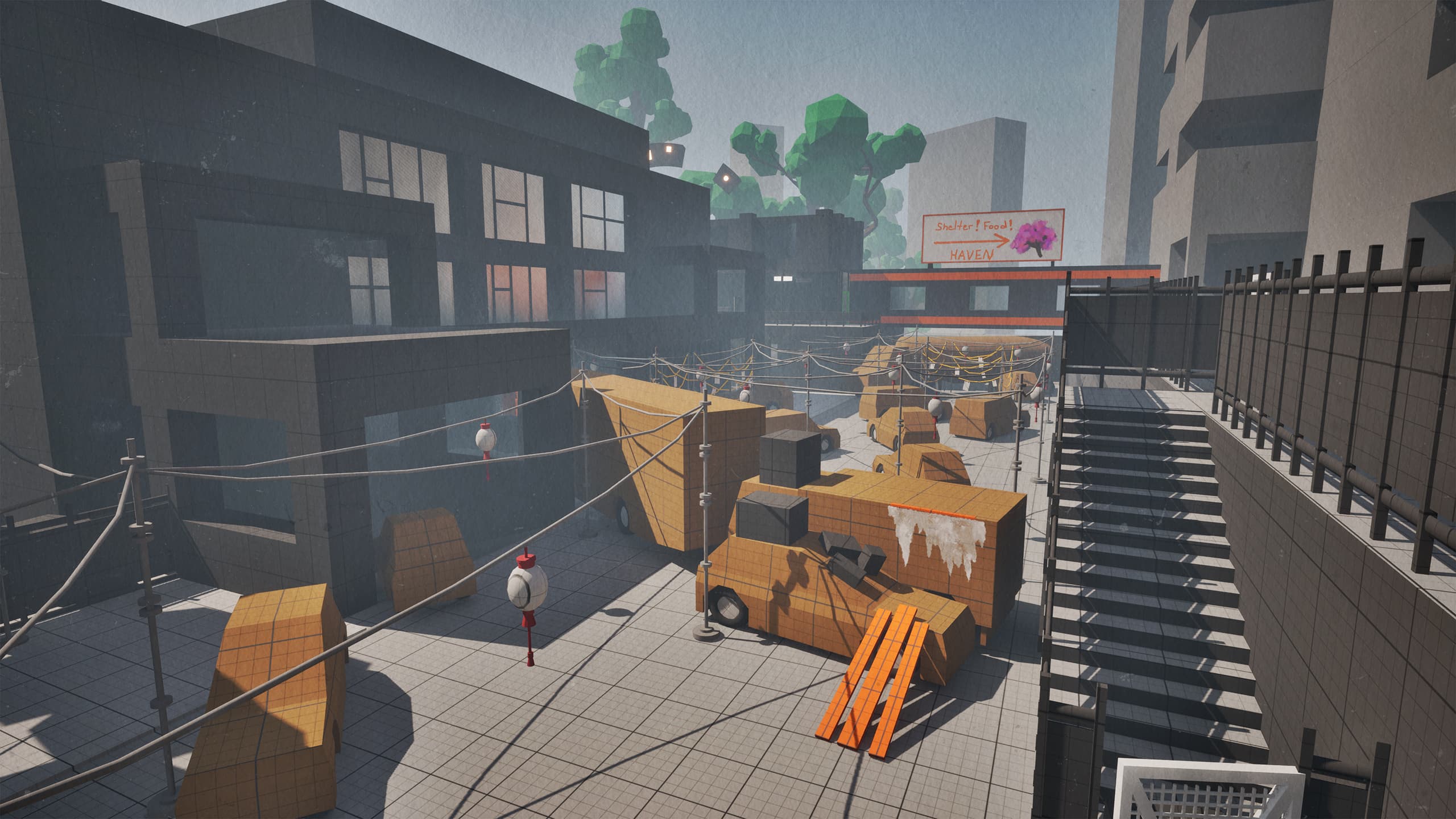
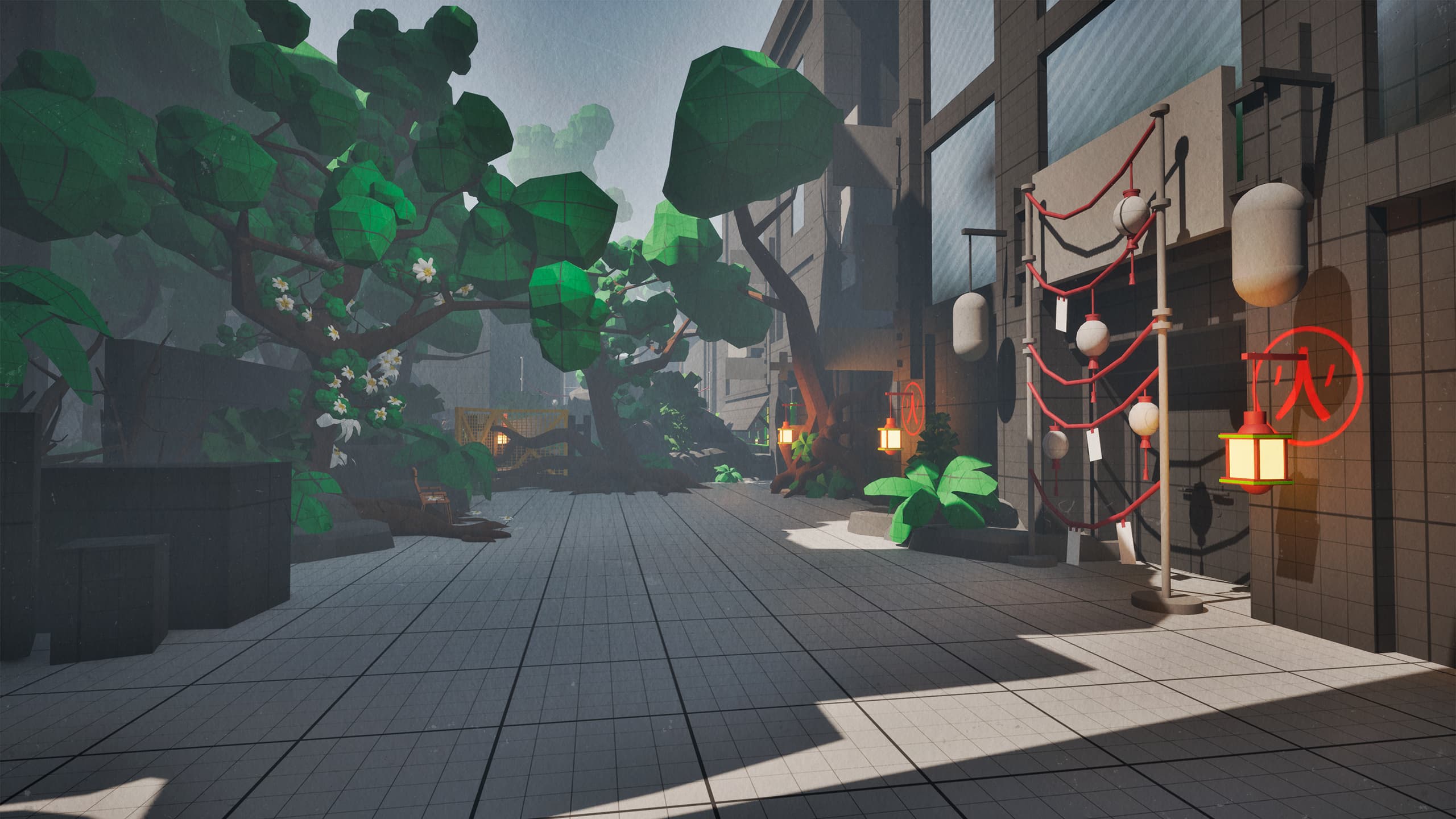
Due to time constraints, I decided to make the enemy invisible, which allowed me to save time on animation and visual setup. However, I still needed a way to communicate the enemy's presence so players could plan their movements. To solve this, I created a supporting Blueprint of lamps that would glow bright red whenever the enemy came close.
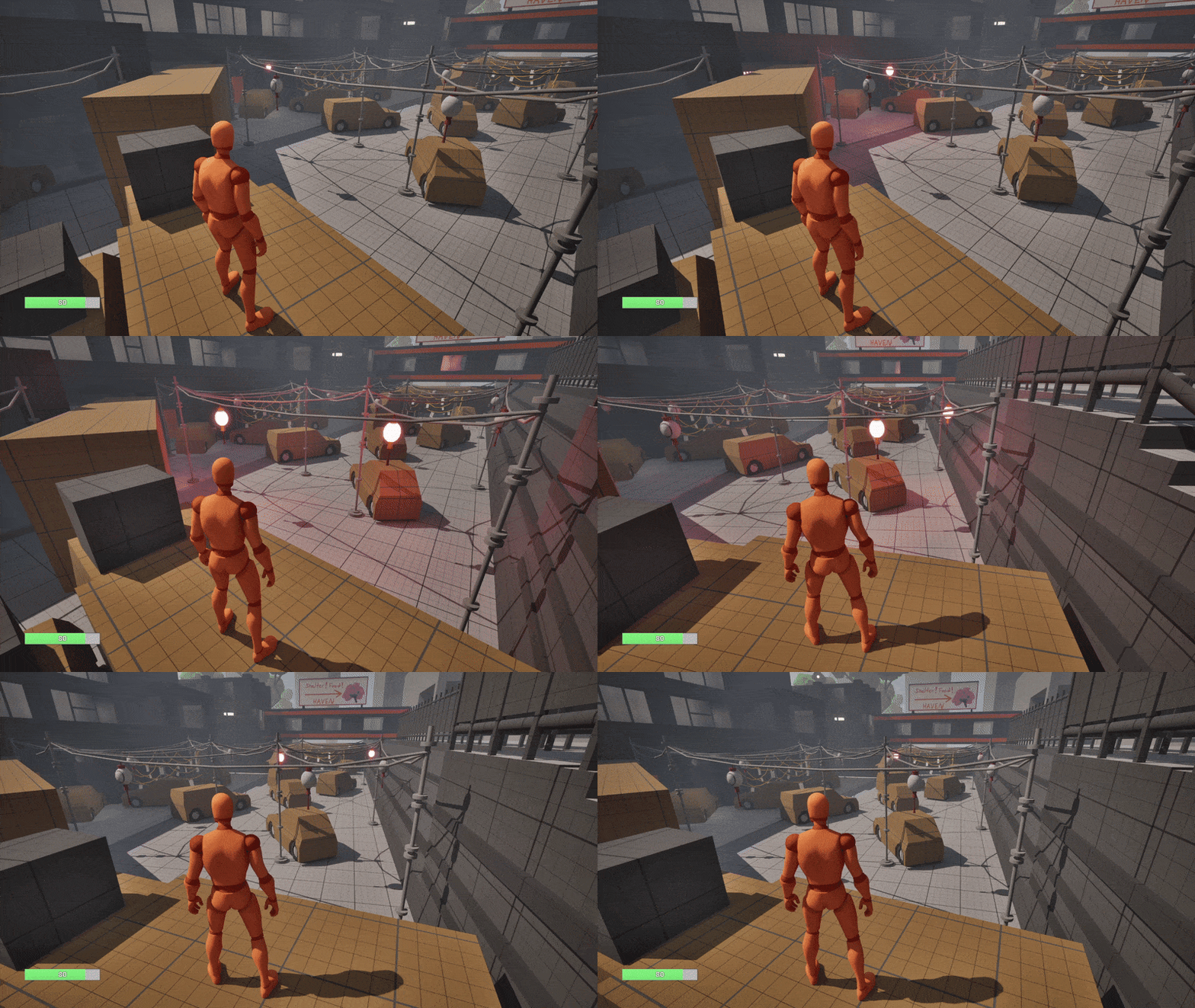
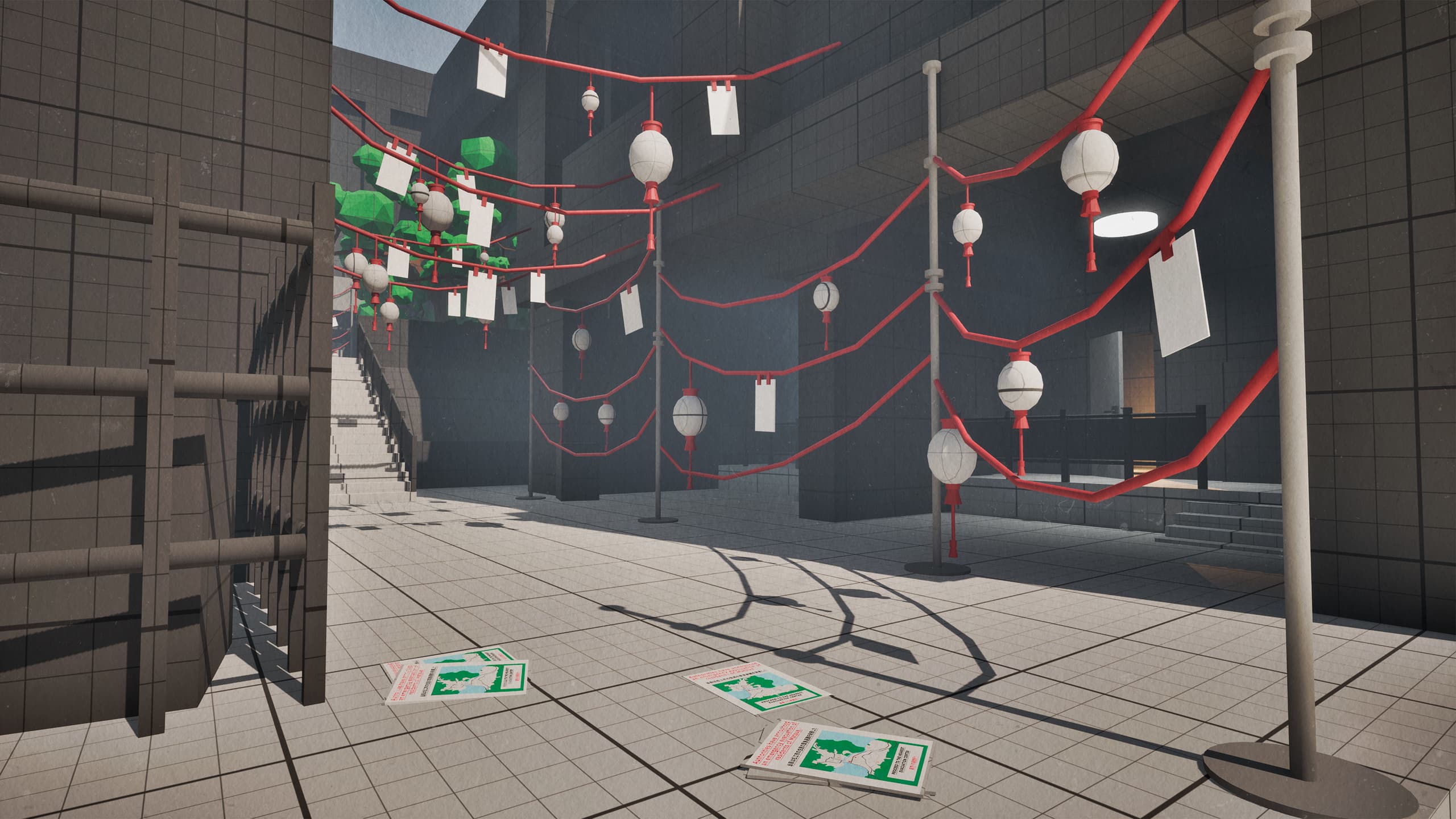
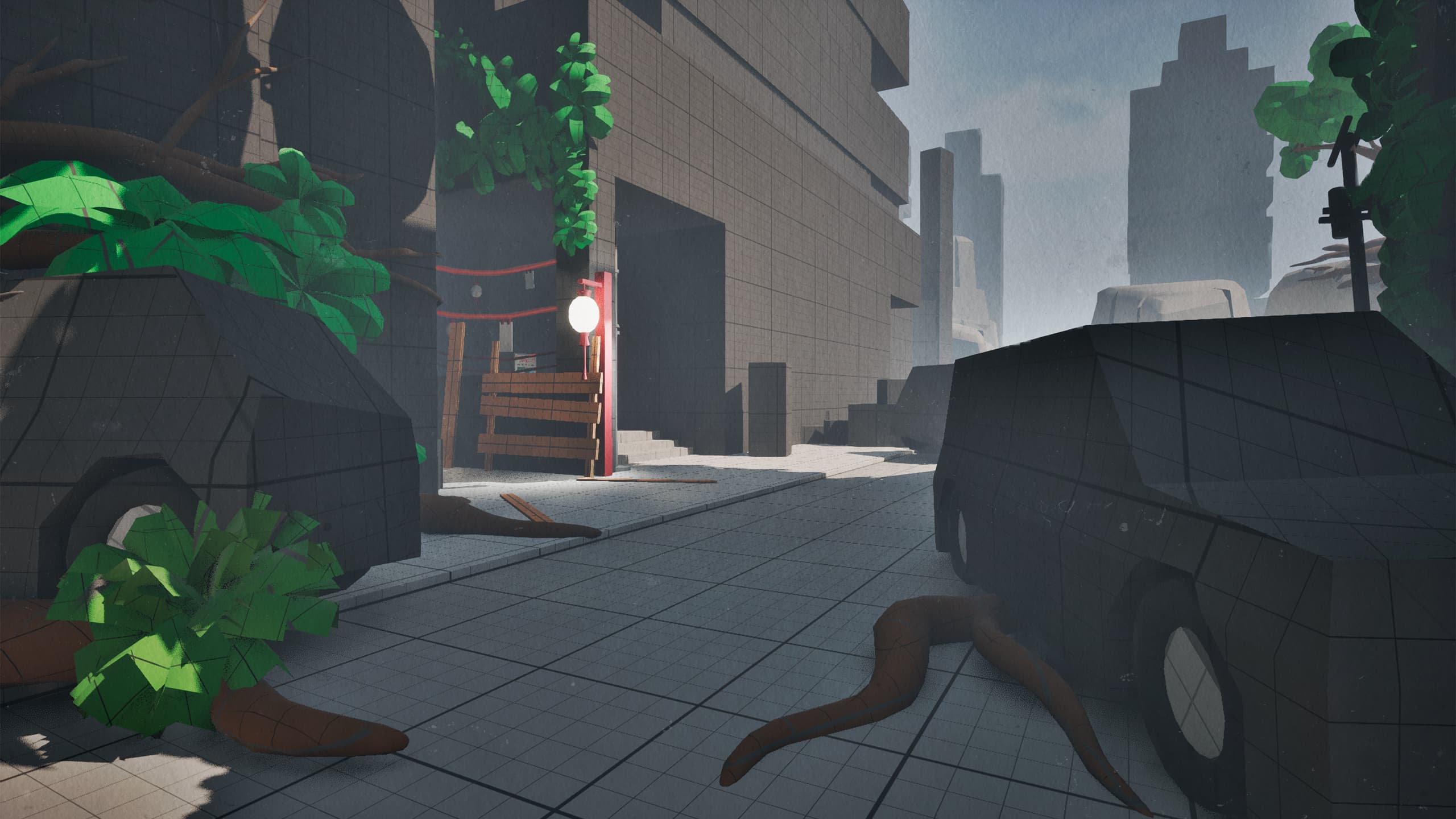
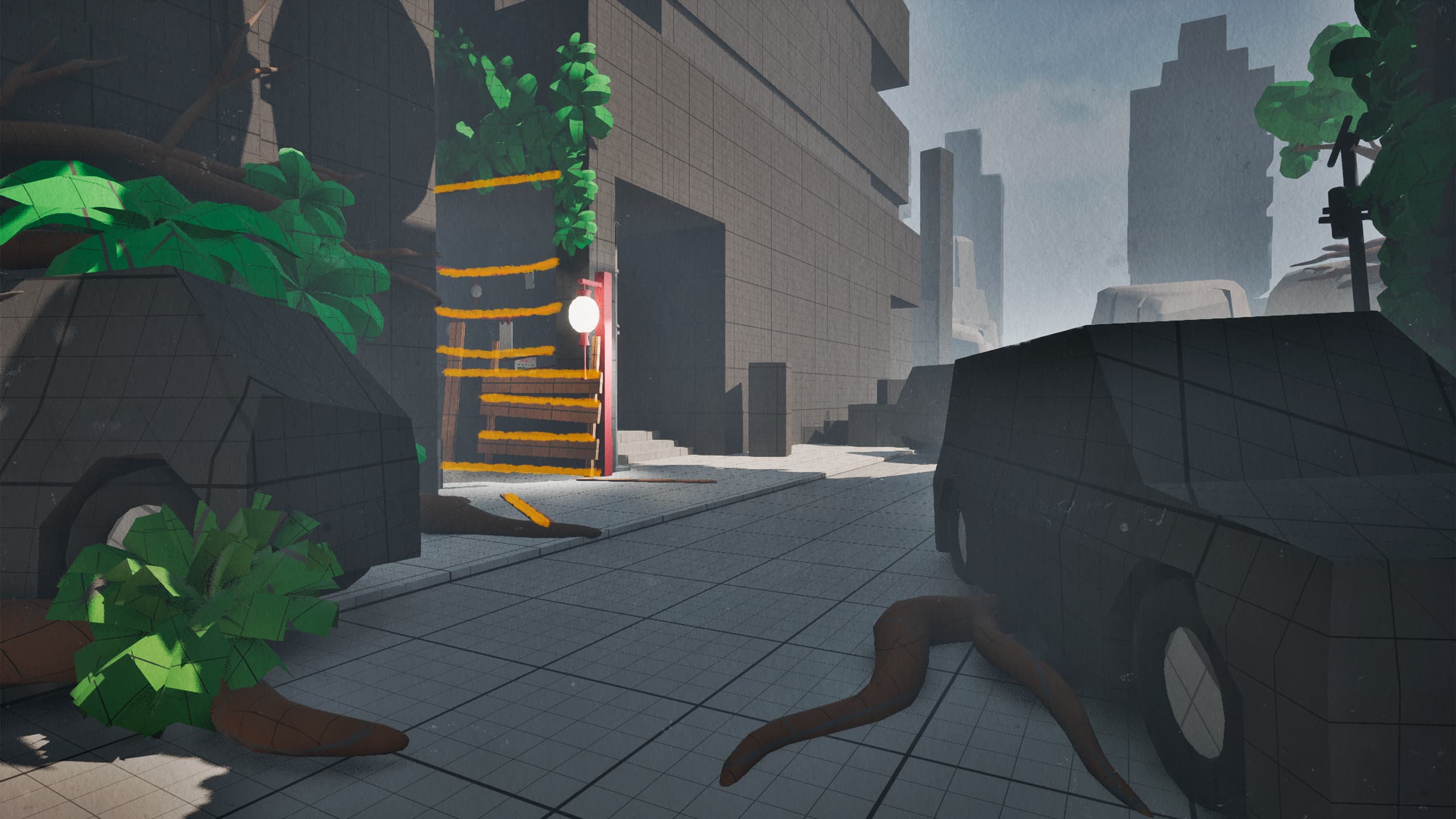
I felt that an invisible enemy might still be too challenging for some players, so I added safe zones marked with shimenawa ropes. While standing inside these areas, the player remains protected from harm.

When I felt confident in my research and had the core mechanics in place, I began the blockout phase. The high-level pitch required a mix of interior and exterior spaces. To strike a balance between tight, enclosed areas and open exteriors, I designed the level primarily as an outdoor environment, with a large hospital as the main interior, complemented by a few smaller indoor sections, which helped balance pacing and visual variety.
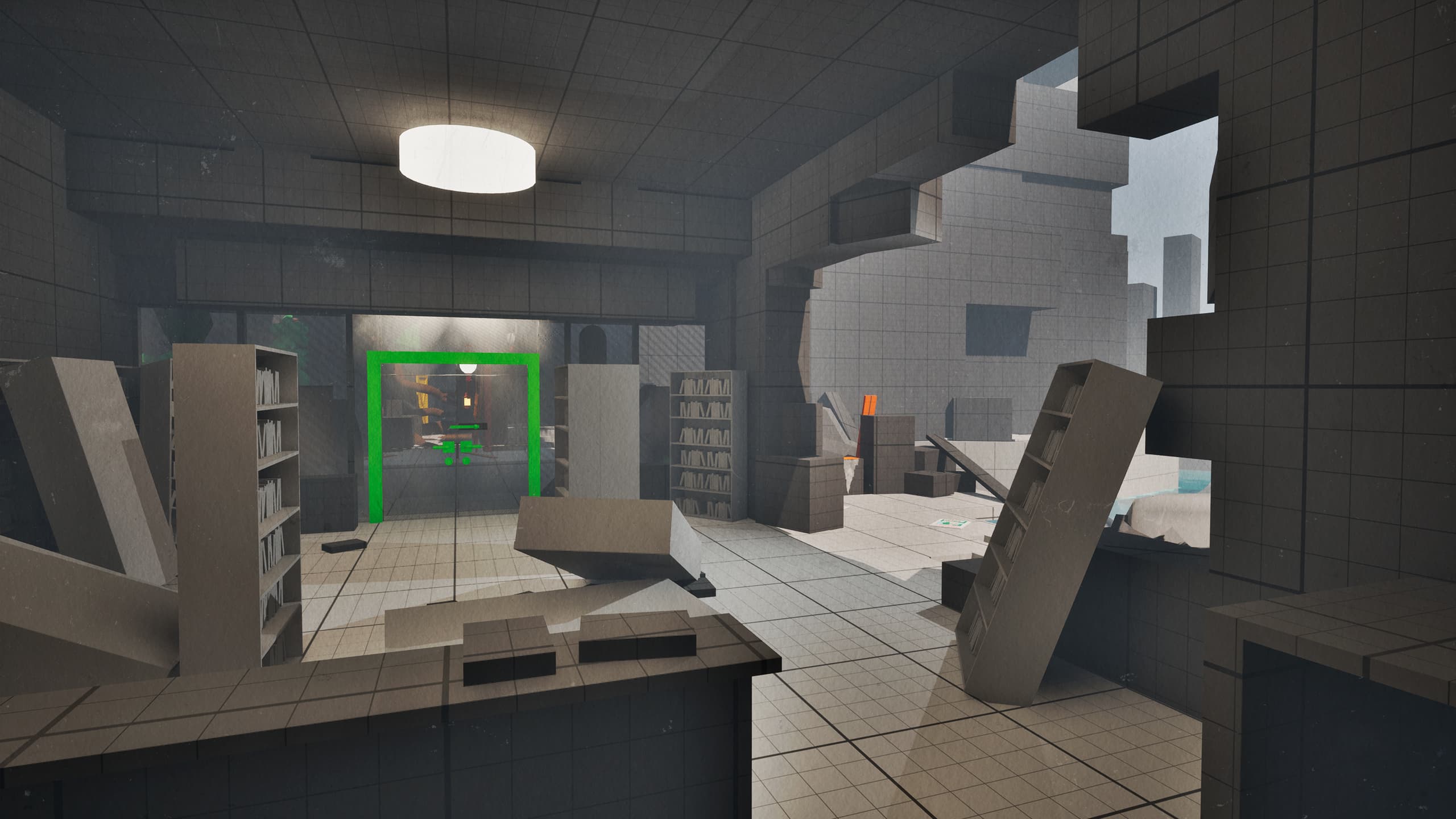
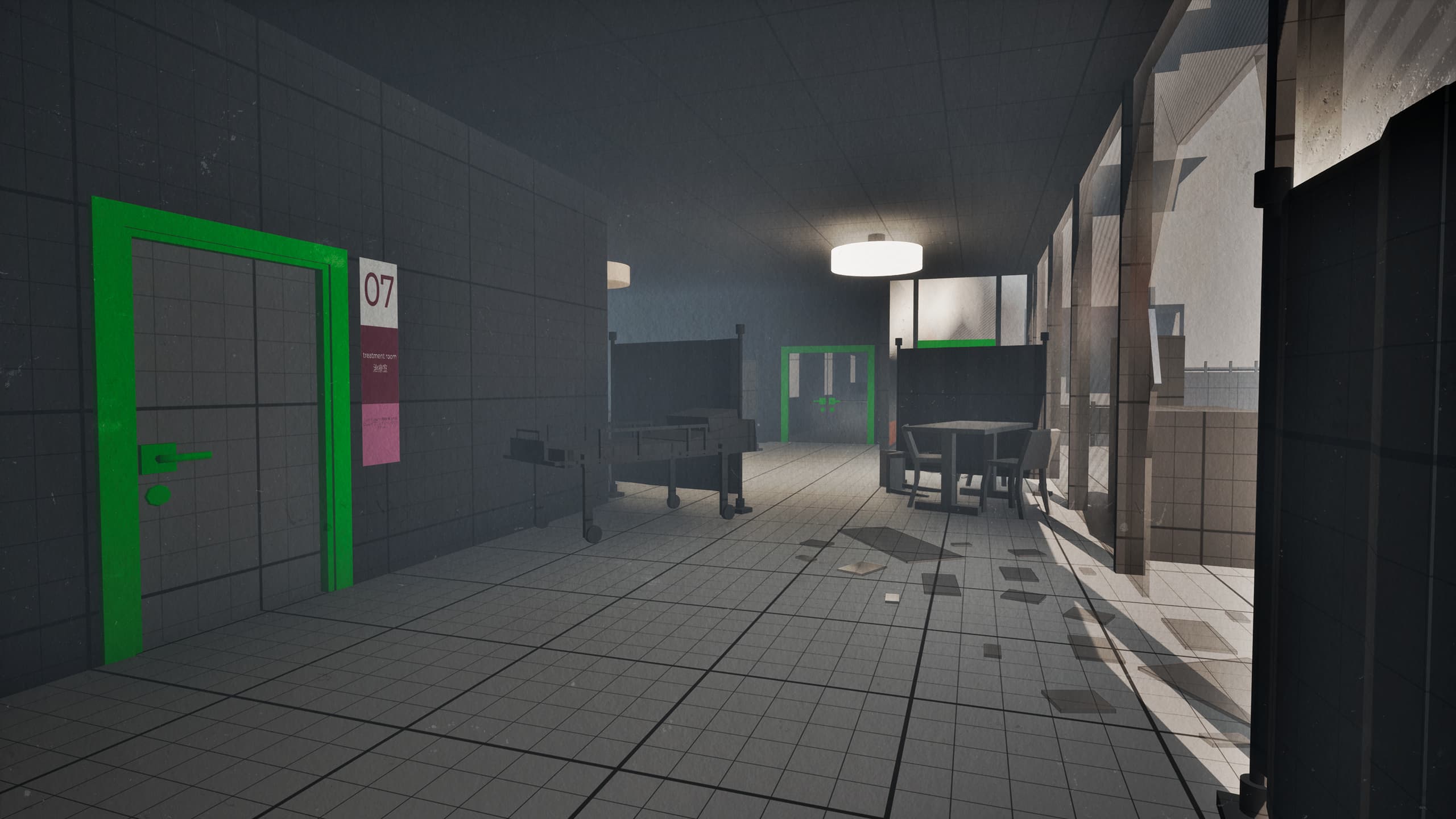
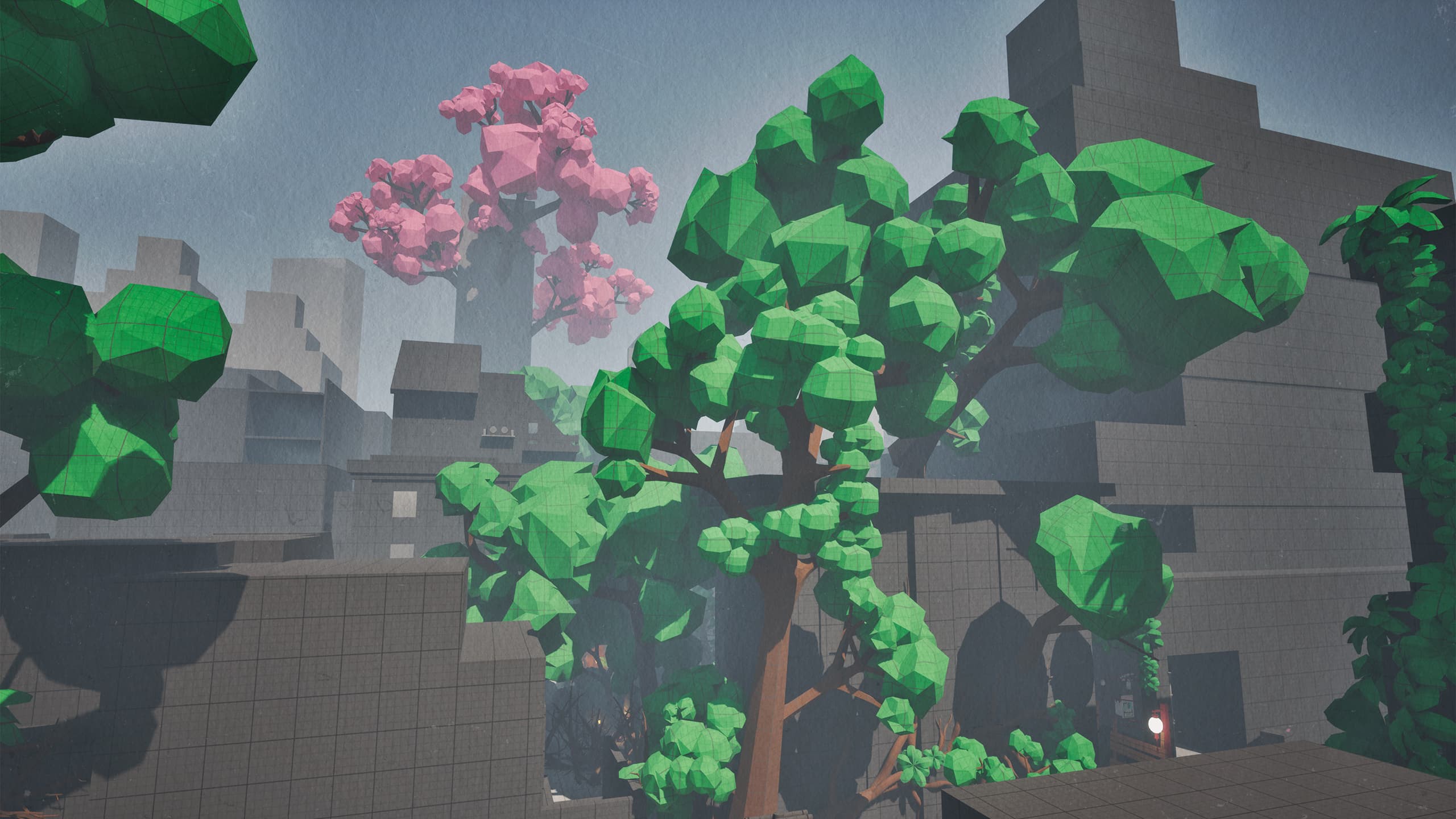
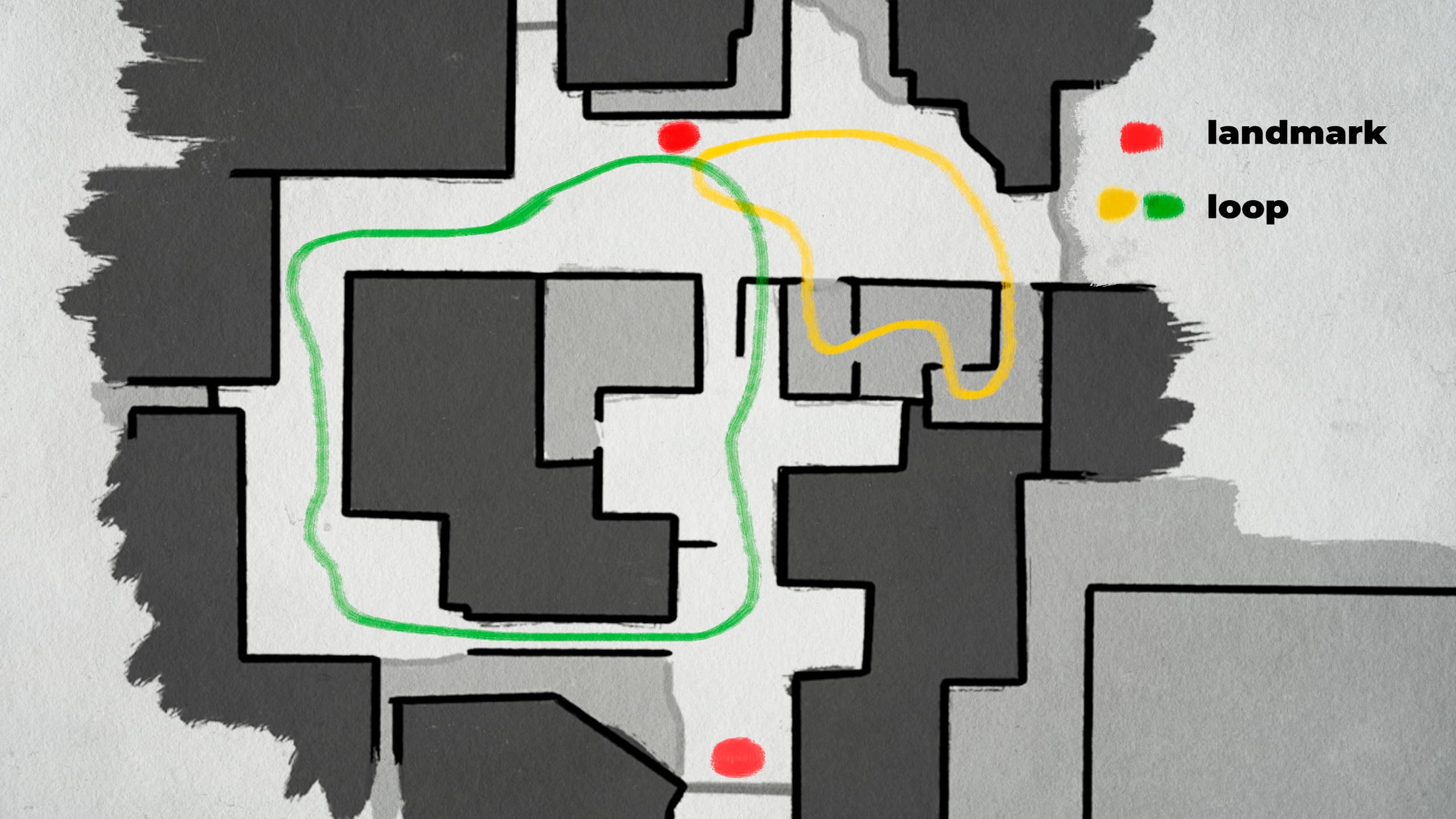
To guide the player, I introduced a strong visual landmark - a tower pierced by a blooming cherry tree, which also serves as the level's final destination. I made sure it remains visible from multiple vantage points, reinforcing progression and orientation as players move closer with each beat.
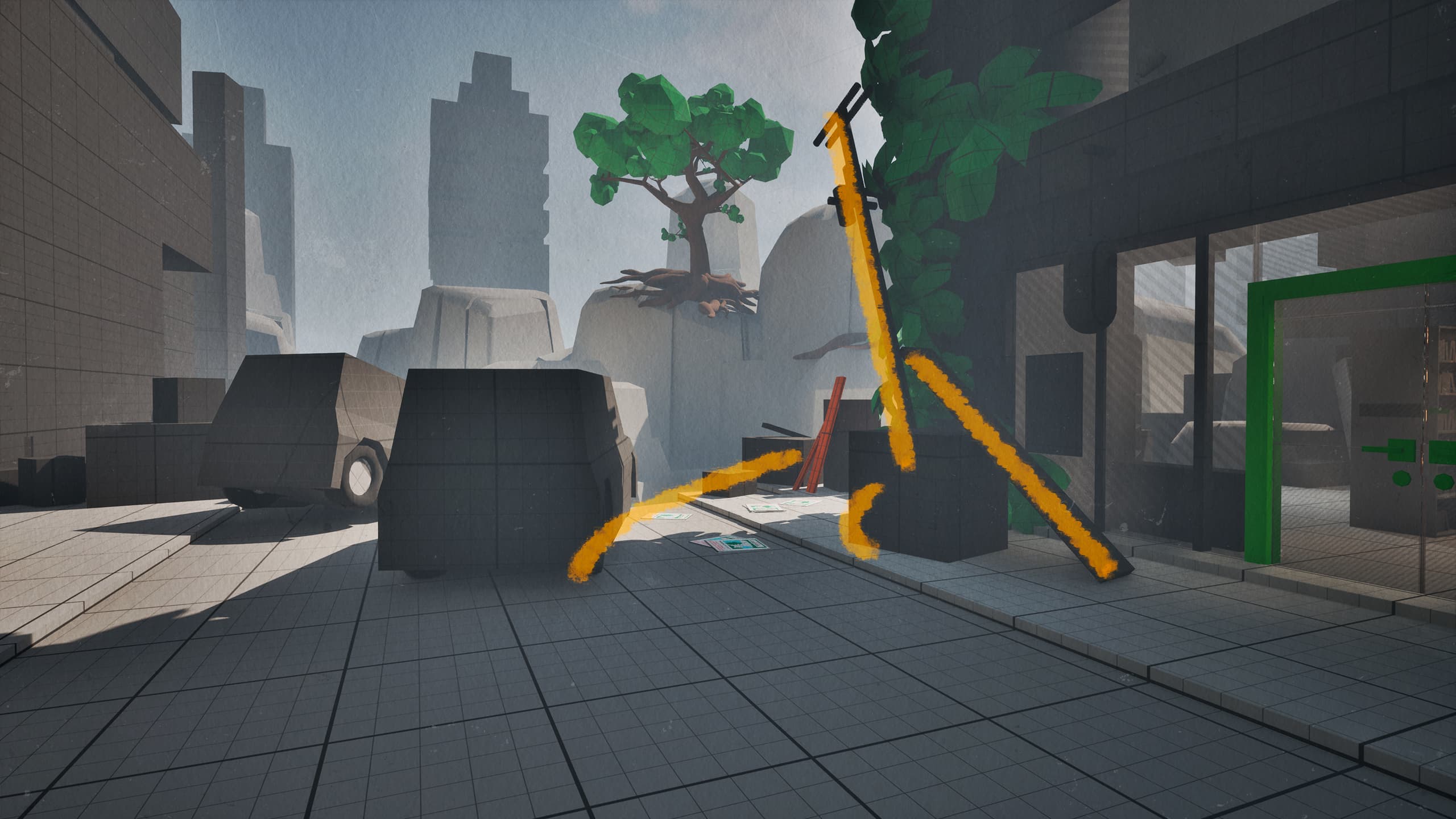
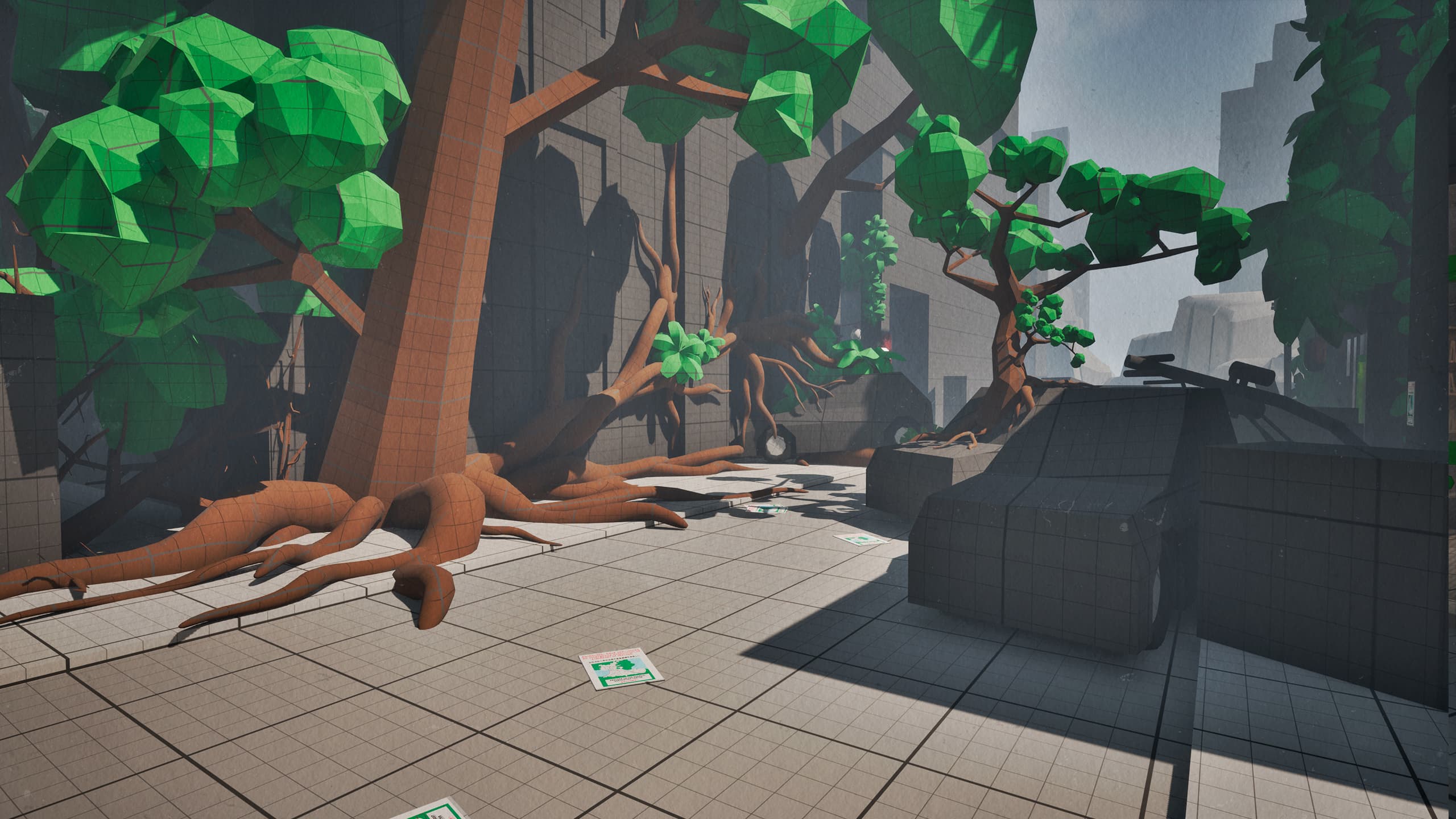
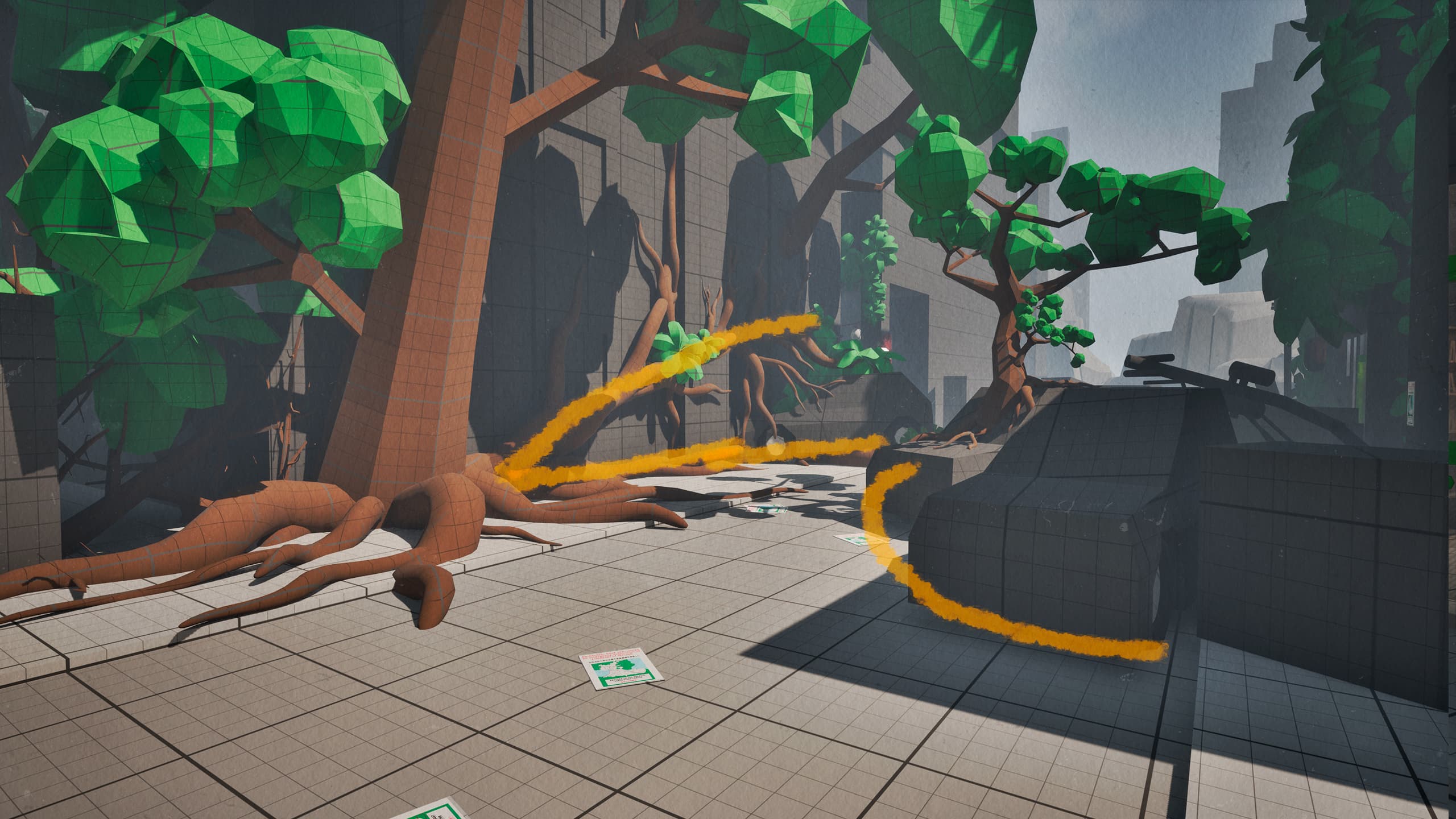
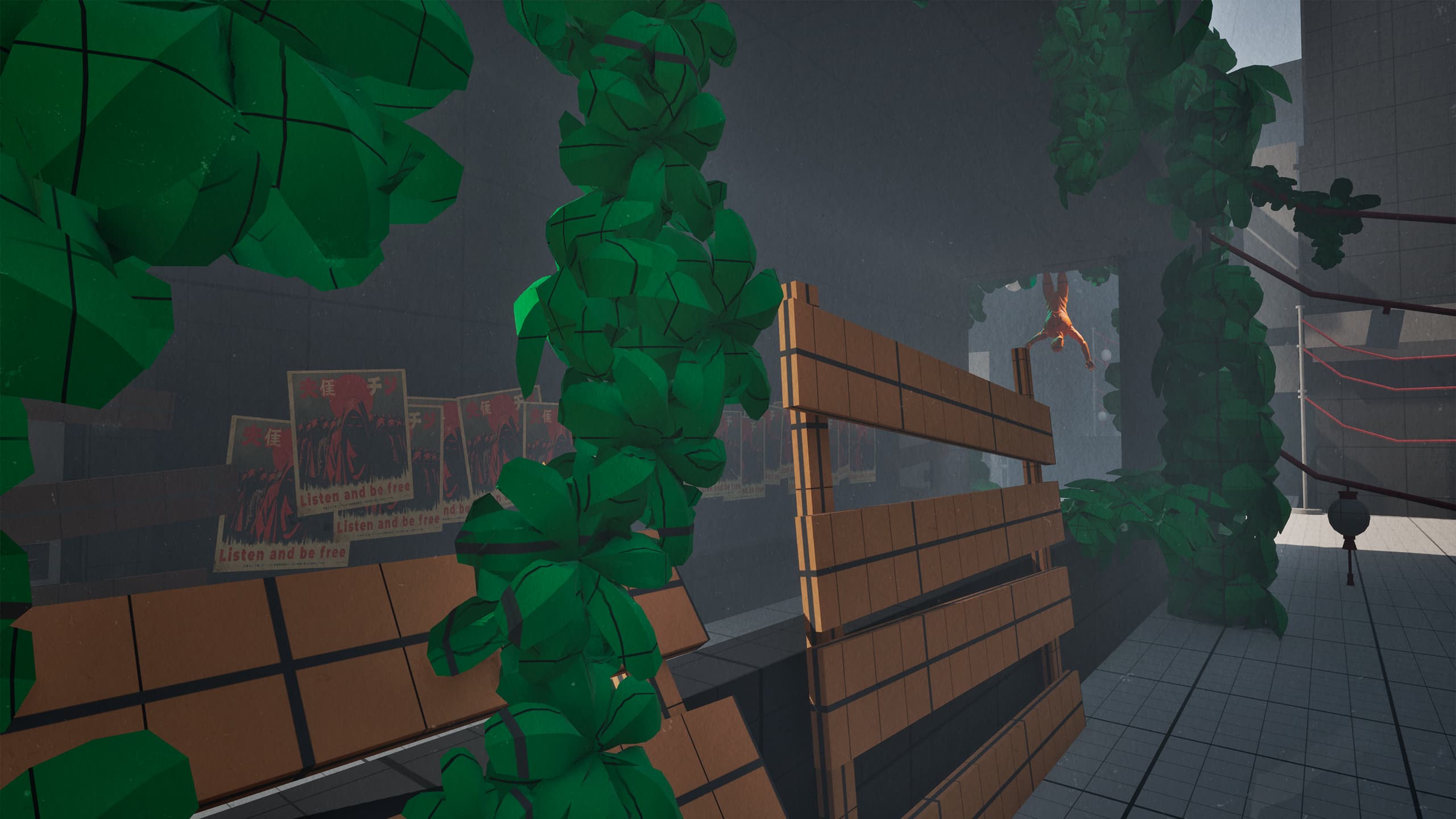
For navigation, I used guiding lines and implied spaces to lead players naturally without breaking immersion and to keep exploration engaging. I carefully considered how the player would move through the environment, placing visual cues and spatial hints, as breadcrumbs, that subtly nudge them in the intended direction.
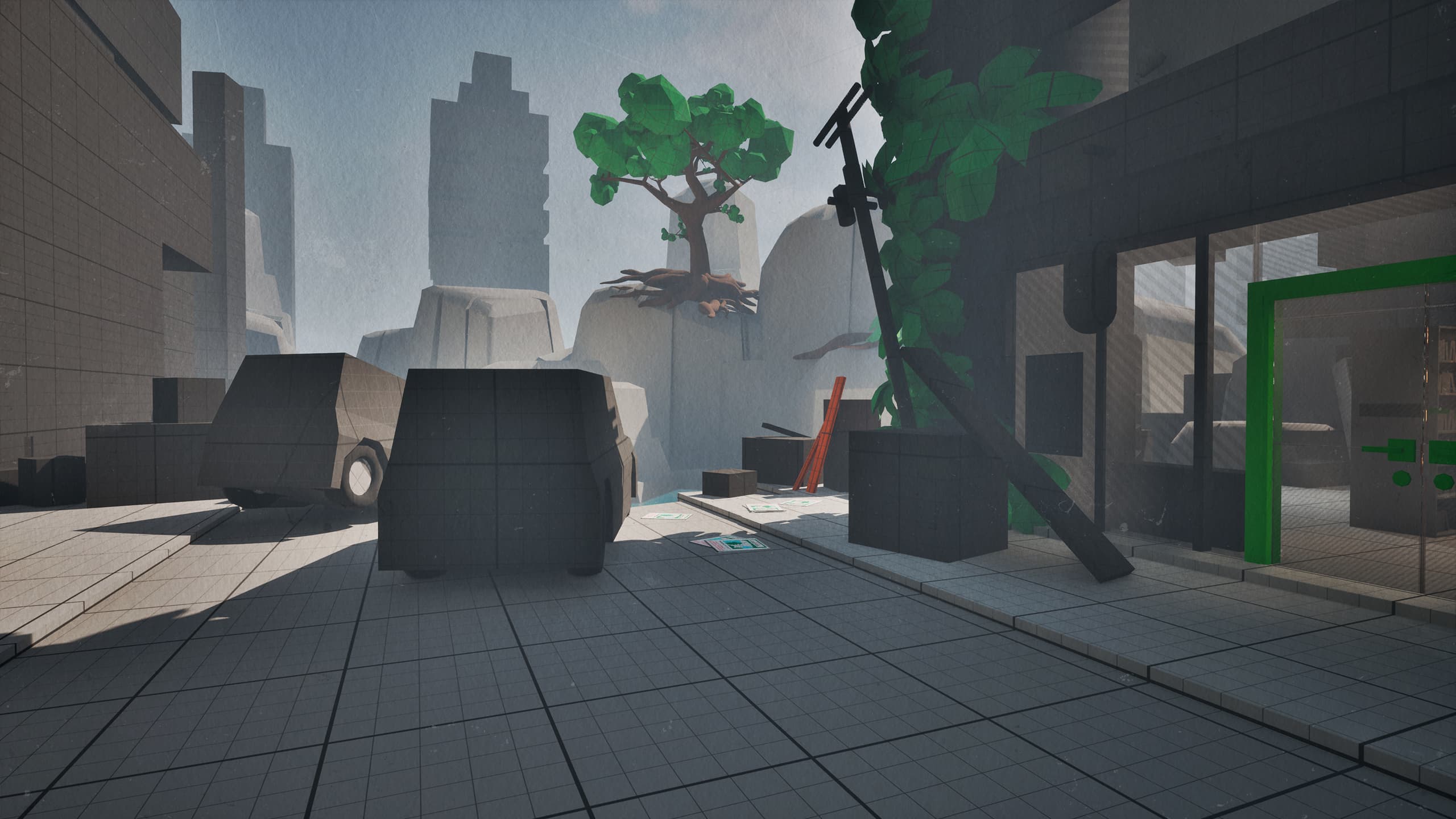
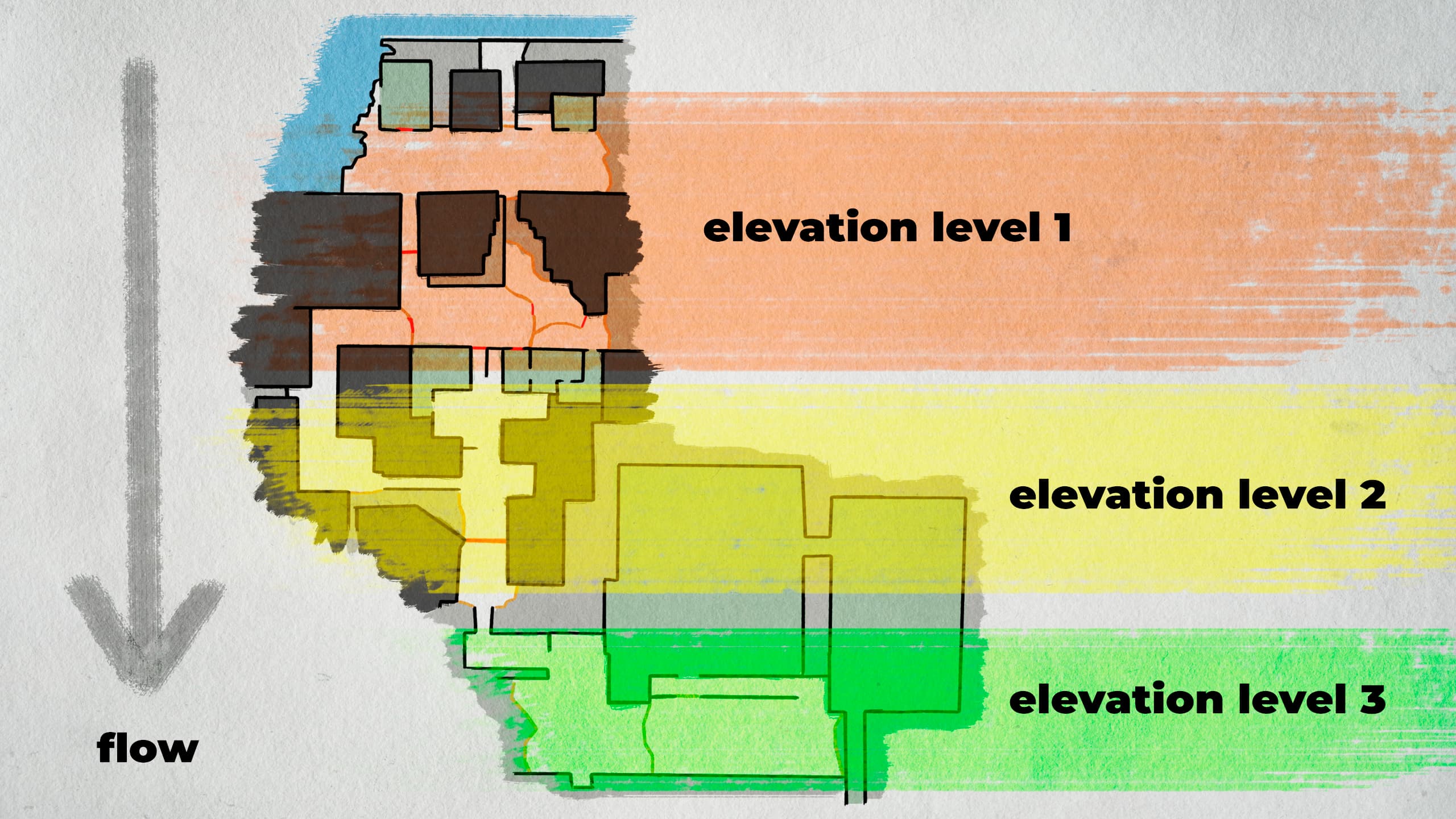
Japanese architecture supports verticality very well, which I embraced by structuring the level across three elevation zones. As the player progresses, they continuously climb higher, creating a sense of movement and momentum through space.
Since the game is a survival horror, I incorporated backtracking by allowing players to unlock previously closed paths using items they discover along the way. To support this, I designed a looped layout in the main area of the exterior space, with local landmarks that help players stay oriented and make navigation feel natural and rewarding.
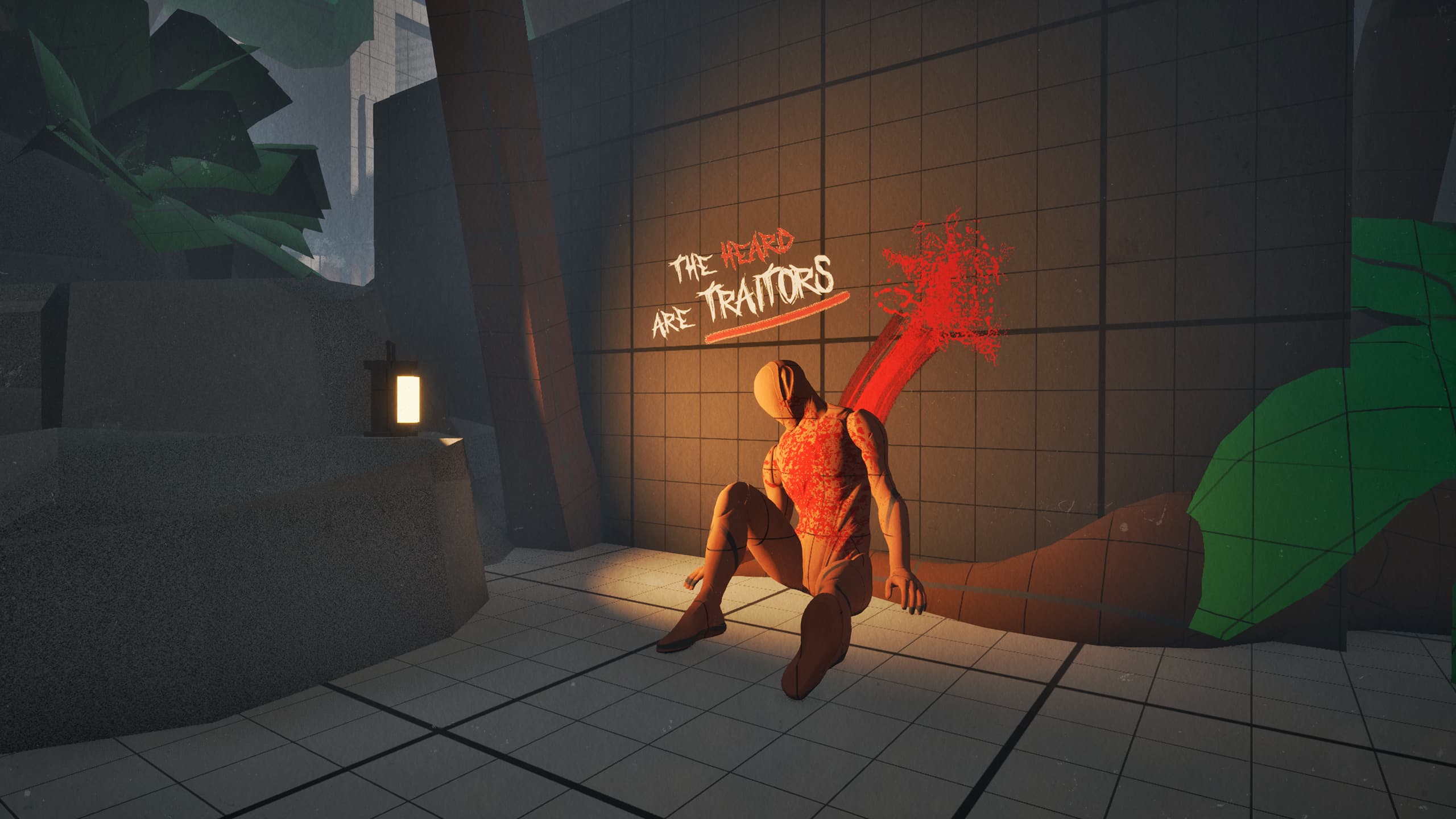
I wanted my level to be divided into distinct zones, each telling its own story. I felt that the urban setting during the apocalypse has a lot to offer in terms of environmental story telling, so I really wanted to push it as much as I can. Within the narrative story I envisioned, I included traces of The Heard, survivors who missed the evacuation, and supernatural spirits. Some scenes simply build atmosphere and lore, while others provide subtle hints or foreshadow key gameplay moments.

I am very pleased with how the level turned out. While there are definitely areas that could be further refined, overall I am really proud with the end result and I feel like I learnt a lot from the course as well as by working hands-on in the engine and building the mechanics myself using Blueprints.
Thank you for taking the time to explore my design process. If you'd like to play the level or take a closer look at the Miro board, feel free to use the links below.